Hedy Fry’s Dockside Hospitality Expense Needs a Receipt Ledger
A public disclosure line is not the same thing as a public explanation. For taxpayer-funded hospitality, Canadians deserve the actual receipts.
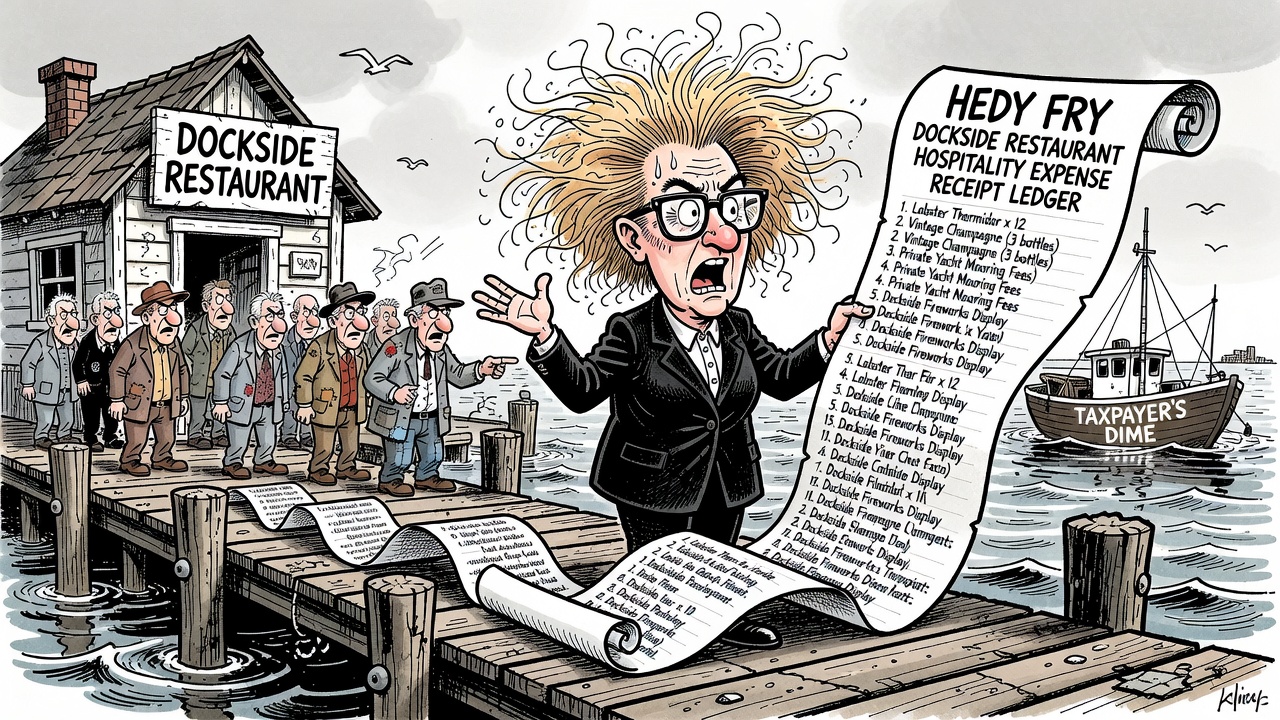
Juno News reported Saturday that Liberal MP Hedy Fry expensed a $1,422 taxpayer-funded restaurant hospitality item connected to a Valentine’s Day meeting at a Vancouver waterfront restaurant, saying records identified two attendees but did not provide a bill breakdown. That two-attendee framing is Juno’s reporting and should be tested against the underlying documents. The core public-record point is simpler: the House of Commons proactive disclosure page for Fry shows a $1,422 hospitality entry dated April 1, 2024, in Vancouver, with 30 attendees and the stated purpose “To celebrate a significant event.”
That mismatch is exactly why the receipt ledger matters. If one document, invoice, or social-media summary points readers toward a small restaurant meeting while the official table says 30 attendees, the answer is not partisan spin. The answer is disclosure good enough for taxpayers to reconcile the file without guessing.
Hospitality expenses are not automatically scandalous. MPs meet constituents, stakeholders, volunteers and community groups. Events cost money. But conservatives are right to insist that public money spent in restaurants should be explained with a standard that would be obvious in any private workplace: who approved it, what public purpose it served, who attended in what capacity, what was purchased, and whether the expense complied with House rules.
Fry has represented Vancouver Centre for decades and sits in the governing Liberal caucus. That makes the accountability test more important, not less. Canadians have spent years watching Ottawa treat disclosure as a substitute for transparency: a table entry here, a vague purpose line there, and no easy way to see the invoice, approval chain, attendee categories or reimbursement adjustments. The result is a system where taxpayers can see the total but not the judgment behind it.
The House record already gives enough to ask fair questions. Why was the event categorized as “To celebrate a significant event”? What was the significant event? Was the restaurant supplier Dockside, as Juno identified? Were the 30 attendees constituents, staff, caucus figures, volunteers, stakeholders, or some mix? If another record describes two attendees, what explains the difference? Was alcohol included? Were gratuities, room fees or minimum charges part of the total? Was any portion reimbursed or corrected later?
None of those questions requires personal attacks. They require receipts. Ottawa should publish a simple hospitality ledger for MPs: supplier, invoice, attendee categories, business purpose, approval authority, rule relied on, reimbursement history and any corrections. Sensitive personal names can be redacted where necessary. The categories and dollars should not be.
Public trust is not rebuilt by telling Canadians a line item exists somewhere on a website. It is rebuilt by making the underlying expense understandable. A $1,422 restaurant line may be defensible. If it is, publish the ledger and let taxpayers see why.
- House of Commons proactive disclosure: Members — Detailed Hospitality Expenditures Report, Fry, Hon. Hedy
- Juno News social post: Juno News feed reporting $1,422 Valentine’s Day restaurant expense claim
- Juno News article: Liberal MP expenses $1400 Valentine’s Day dinner for two
This article relies on the official House disclosure for the confirmed dollar figure, date, location, attendee count and stated purpose. Claims about a Valentine’s Day dinner, two attendees and the restaurant framing are attributed to Juno’s reporting and should be reconciled against the invoice and source records.