CRA’s Pandemic Overpayment Hunt Needs a Recovery Ledger
Emergency programs may move quickly. The cleanup still has to be slow, fair, transparent and fully counted.
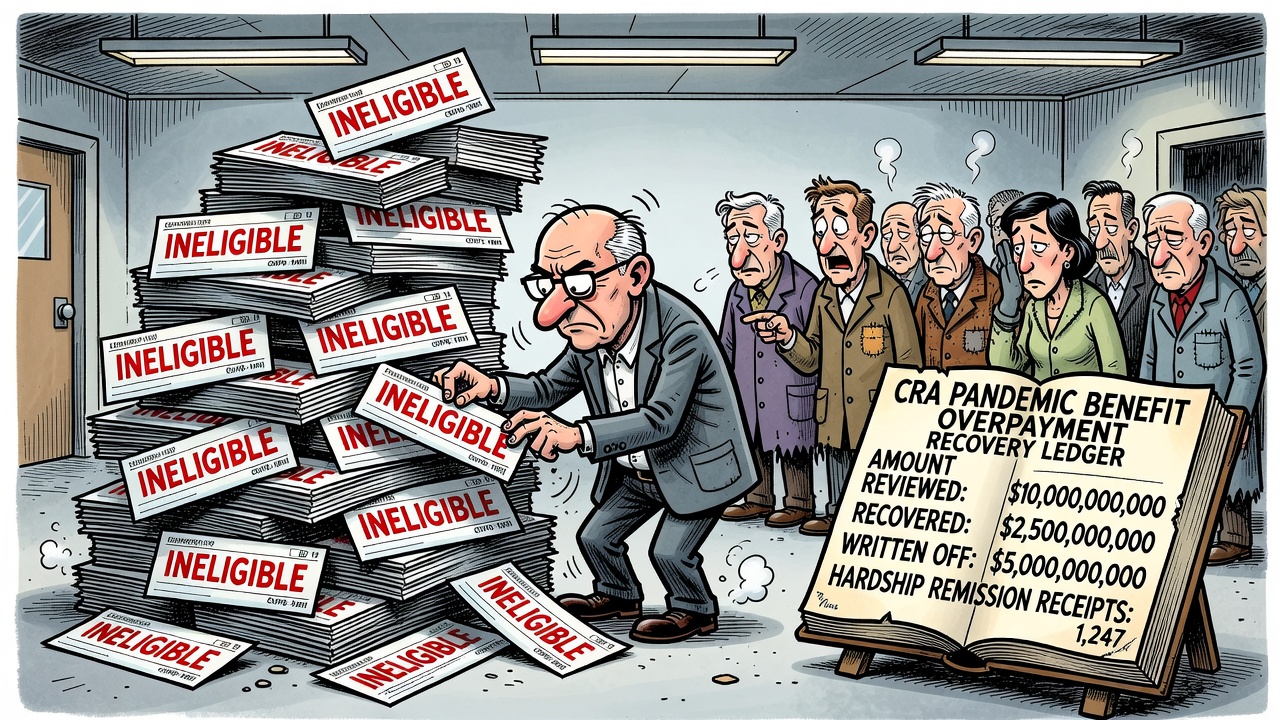
Blacklock’s Reporter says the Canada Revenue Agency is in a final hunt to recover billions in pandemic relief payments from 432,000 people nationwide. That is not a footnote. It is the after-action report on a Liberal-era emergency-benefit system that moved cash fast, verified eligibility later and left taxpayers waiting years for the recovery ledger.
The principle is straightforward: if someone received COVID-19 benefits they were not eligible for, CRA’s own repayment page says the full amount must be returned. Fair enough. Public money is not a souvenir. But the same rule of accountability applies to the government that designed and administered the programs. If Ottawa wants individual Canadians to produce documents, Ottawa should produce the public books.
The official record already shows the scale. A House public accounts progress document for CRA lists $16.95 billion reviewed across COVID individual benefit programs, $12.38 billion found ineligible, and about $3.30 billion recovered. Those figures raise the question taxpayers are entitled to ask: what happened to the rest, how much is still collectible, how much is under arrangement, how much is in dispute, and how much will quietly be written off?
This is where the government’s usual defence — “it was a pandemic” — runs out of road. Conservatives can acknowledge the need for temporary emergency support in March 2020 and still insist that a modern revenue agency publish a clean, program-by-program recovery dashboard in 2026. Compassion during a crisis does not cancel basic accounting after the crisis.
CRA’s COVID-benefits validation page now says the Canada Emergency Benefits Validation program is closed and no longer accepting new review requests. That makes transparency more urgent, not less. If the validation window is closing while collections continue, Canadians need to know the rules: who was assessed, what evidence counted, what appeal path remains, what hardship standards apply, and how CRA separates fraud from honest confusion in rushed emergency programs.
The recovery ledger should be simple. For CERB, CESB, CRB, CRCB, CRSB and the Canada Worker Lockdown Benefit, publish the amount paid, amount reviewed, amount deemed ineligible, amount recovered, amount under repayment plan, amount remitted for hardship, amount written off, and forecast date for closing the file. Add collection costs, staffing levels, average case age and regional totals. Redact private names. Do not redact the math.
This is not about punishing people who relied on confusing federal messaging at a frightening time. It is about refusing to let billions disappear into bureaucratic fog. If the Carney government wants trust on deficits, taxes and future emergency powers, it can start by showing how much pandemic money has actually been recovered and how much taxpayers will never see again.
Fast cheques created a long bill. Publish the pandemic overpayment recovery ledger.
- Blacklock’s Reporter: CRA pandemic-benefit recovery reporting
- Canada Revenue Agency: Validating your applications: COVID-19 benefits from the CRA
- Canada Revenue Agency: Repay COVID-19 benefits
- Canada Revenue Agency: Commissioner transition 2026: Important issues
- House of Commons / Public Accounts: CRA progress report on COVID individual benefit programs
This article does not allege wrongdoing by any named individual. It argues that large pandemic-benefit recovery files require transparent public accounting and fair, documented treatment of claimants.