The Ammo Stockpile Audit Is a Liberal Defence Readiness Receipt
Budgets do not defend Canada. Ammunition on the shelf, counted and deliverable, does.
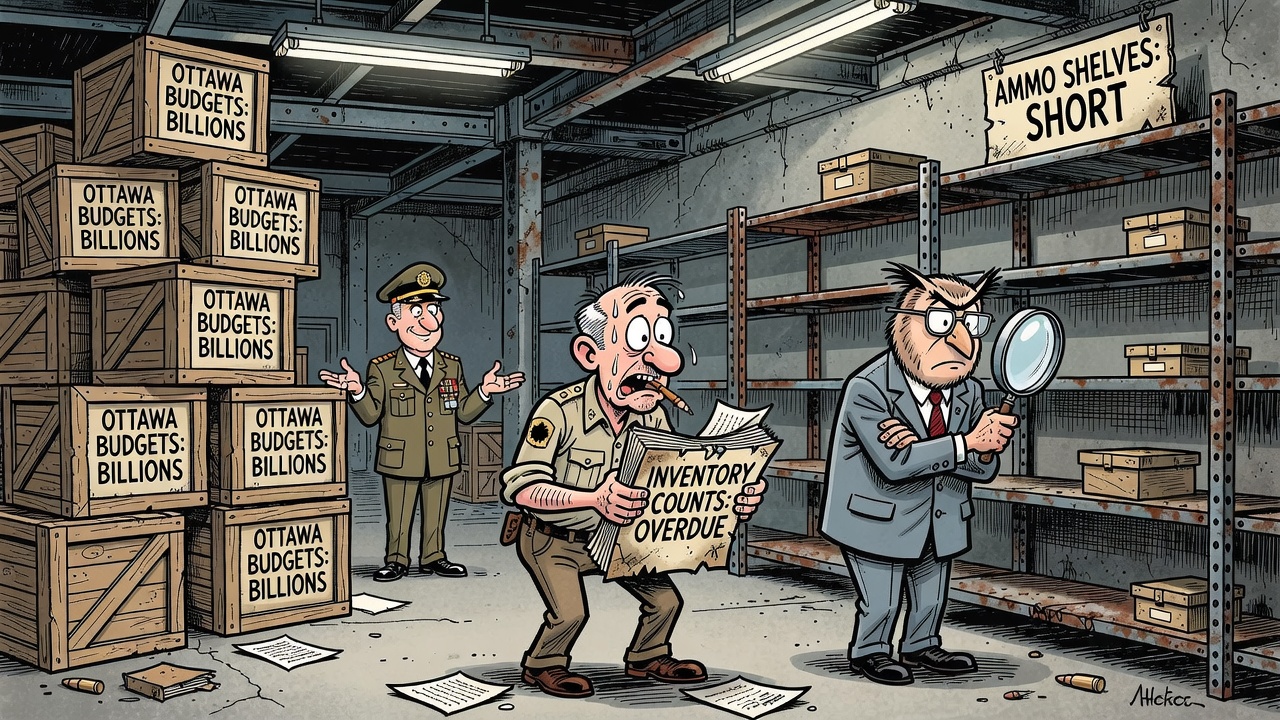
The Auditor General’s October 2026 ammunition audit should end one of Ottawa’s favourite defence evasions: announcing money as if money itself equals readiness. The report’s bottom line is blunt. National Defence “did not manage its ammunition to meet its regular-use and strategic stockpile needs,” and weaknesses in contract management constrained restocking.
That is not a minor paperwork flaw. Regular-use ammunition supports training, exercises, deployments and testing. The strategic stockpile is for emergencies such as combat operations. If Canada does not know what it needs, cannot reliably count what it has, and cannot restock on time, then the government’s defence promises are press-release readiness.
The numbers make the problem harder to spin. The Auditor General reported that National Defence’s ammunition inventory was valued at $2.6 billion as of March 31, 2026. In 2024, Ottawa dedicated $9.2 billion over 13 years to increase the strategic stockpile. National Defence committed $695 million of that funding in the 2025–26 fiscal year, but no ammunition from those commitments had been received for the strategic stockpile by March 31, 2026. On the inventory side, 31 per cent of locations holding ammunition had not completed required annual counts, representing $656 million in ammunition overdue for counting.
This is exactly the kind of gap conservatives mean when they distinguish spending from results. The Liberal government can point to large fiscal envelopes. The military still needs the correct ammunition, in the correct quantity, where commanders can rely on it. The audit says significant gaps existed between required and actual strategic stockpile levels, and that National Defence’s assessment of those needs was not based on comprehensive analyses showing all operational requirements had been considered.
The regular-use side is also troubling. Across the last three fiscal years, Canadian Armed Forces groups used only 56 per cent of the regular-use ammunition assigned to them on average. The department had not assessed why ammunition went unused or what that meant for operational readiness. Maybe some allocations were wrong. Maybe training was cancelled or constrained. Maybe the data was too weak to support decisions. Whatever the explanation, taxpayers and service members deserve it in writing.
Defence Minister David McGuinty has said the government accepts the recommendations. Good. Acceptance is the starting line, not the finish line. Parliament should now demand a public ammunition readiness ledger: stockpile gap by category where security allows, contracts signed, delivery timelines, annual count completion, amendments, bottlenecks, and the dates when commanders will actually have what plans require.
Canada does not owe the Liberal government applause for budgeting billions while the Auditor General finds unreliable information, overdue counts and empty delivery lines. The test is not the announcement. The test is the ammo.
- Office of the Auditor General of Canada: Ammunition for the Canadian Armed Forces
- Rebel News: Defence committed $695 million for stockpile ammunition and had received none by March 31
This article relies primarily on the Auditor General’s findings and uses the Rebel News report as an additional accountability lead to the same audit record.