Carney’s Closed-Door First Nations Meeting Needs a Public Ledger
If Ottawa says reconciliation and major-project speed can coexist, it should not hide the table. Publish the attendees, agenda, commitments and rights-impact receipts.
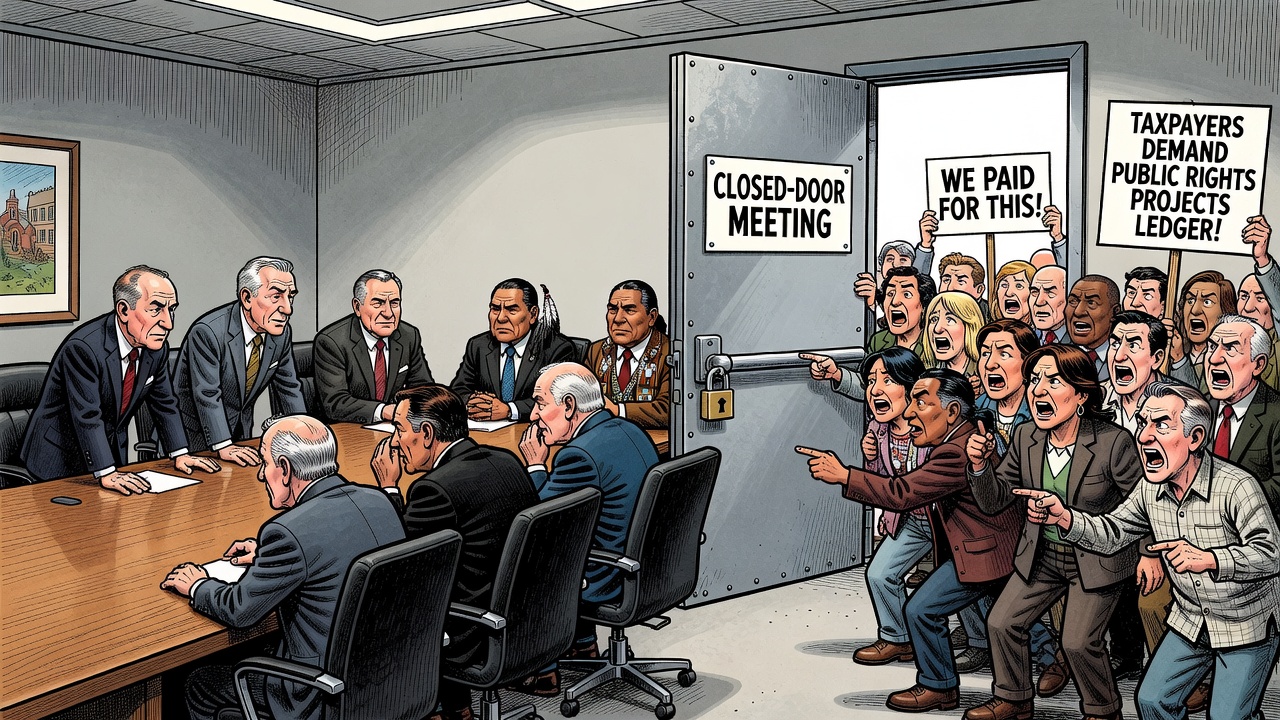
Prime Minister Mark Carney is heading into a First Nations–First Ministers Meeting in Ottawa on Monday, October 26, on unceded Algonquin territory. The Assembly of First Nations says the gathering will include ceremony on Sunday and a leaders meeting focused on First Nations priorities, rights, treaties, jurisdiction, major projects and economic partnerships.
That is exactly the kind of table Canadians should be able to understand. Yet Canadian Press reporting says the main meeting is expected to be closed-door, with First Nations represented largely through AFN regional chiefs. APTN reported that only the opening prayer and opening remarks are open to media coverage, while the rest of the meeting is closed.
Closed-door diplomacy is sometimes necessary. Rights, treaties and jurisdiction are not sound bites. But secrecy becomes a problem when the same federal government is also trying to speed approvals for mines, energy corridors, infrastructure and other “nation-building” projects. If decisions affecting land, revenue, policing, health, employment and benefit sharing are being discussed, Canadians deserve more than a photo-op and a communique.
AFN National Chief Cindy Woodhouse Nepinak has pushed for the meeting to be broadcast publicly. That request should have been easy for a transparency-minded government to accommodate at least in part: public opening statements, a published agenda, a full participant list, a same-day summary of positions, and a post-meeting commitment tracker. If some negotiating sessions require confidentiality, Ottawa can explain the reason and still publish the receipts that do not compromise negotiations.
This is not an argument against meeting with First Nations leadership. It is the opposite. Conservative accountability means respecting rights enough to document them, not bury them inside process language. A government cannot claim reconciliation while asking the public to trust an undisclosed table. It cannot claim project certainty while leaving communities, provinces, investors and taxpayers guessing about consent standards, timelines, benefit-sharing frameworks and dissenting concerns.
Carney’s Liberals should publish a rights-and-projects ledger within 48 hours of the meeting: who attended, which premiers appeared, what agenda items were discussed, which commitments were made, what deadlines were accepted, which issues remain disputed, how Bill C-37 and Bill C-39 concerns were handled, and what 30/60/90-day follow-up will occur.
Canada does need serious conversations about infrastructure, investment and resource development. It also needs serious conversations about treaties, title, policing, health care and jurisdiction. The test is whether Ottawa can do both honestly. If Carney wants credit for bringing everyone to the table, he should be willing to show Canadians what the table produced.
- Assembly of First Nations: First Nations–First Ministers Meeting bulletin
- APTN News: Few details released as First Nations–First Ministers Meeting approaches
- Canadian Press via CJME: First Nations prepare for historic meeting with Carney and the premiers
- Canadian Press via CityNews: AFN regional chiefs to represent First Nations at meeting with Carney, premiers
This article argues for transparency around government commitments and rights-impact decisions. It does not criticize First Nations participation or suggest confidential legal negotiations should be disclosed in full.