The $1.5B Rental Buyout Ledger: Preserving Homes Is Not Building Them
A rental-preservation fund can be defensible. Treating it like a supply plan without receipts is not.
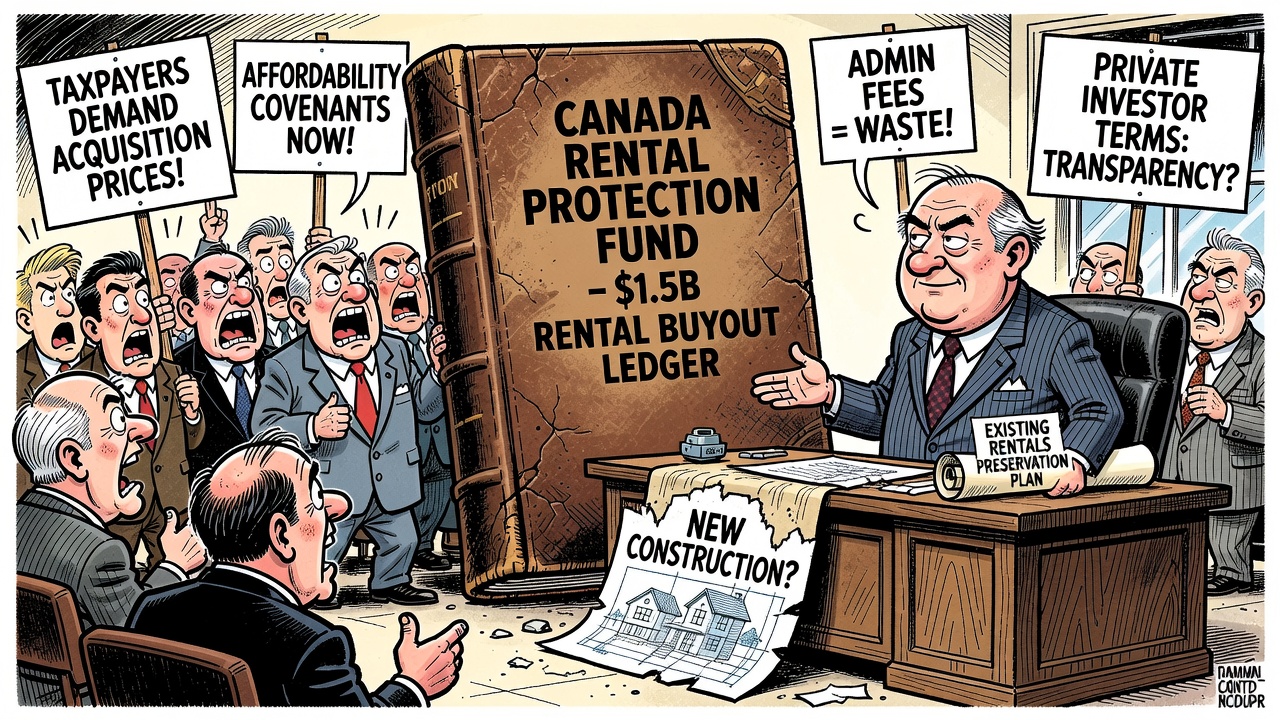
Ottawa’s newest housing announcement sounds practical at first glance: use the Canada Rental Protection Fund to help community housing providers acquire, preserve and renew at-risk rental buildings before they are lost to the market. On September 22, the Department of Housing, Infrastructure and Communities said the Canadian Housing Acquisition Fund had been selected, after an open call, to deploy investments from the $1.5 billion federal fund under Build Canada Homes.
There is a legitimate public interest in preventing affordable apartments from disappearing. But Canadians should be clear about what this program is — and what it is not. Buying existing rental buildings may protect tenants in those buildings. It does not, by itself, create the new supply that federal Liberals keep promising when they say they will “supercharge” homebuilding.
The government’s own release says the fund is aimed at helping community housing providers acquire and renew existing affordable rental housing. It also says the initiative has the potential to protect 7,000 at-risk rental homes over the first five years, subject to market conditions and available acquisition opportunities. That caveat matters. This is not a guaranteed 7,000-door delivery schedule. It is a market-dependent acquisition strategy using public money, outside fund management and hoped-for leverage from charitable, private-sector and other-government capital.
That structure demands a ledger before the victory lap. Taxpayers should know every building acquired, the seller, the purchase price, the price per unit, the public subsidy per unit, the administrative cost, the private-capital terms, the affordability period, the rent cap and the enforcement mechanism if affordability promises are broken. If federal dollars are helping a buyer compete in private real-estate markets, Canadians deserve to know whether they are preserving affordability or merely backstopping high asset prices.
Build Canada Homes says the fund sits alongside other initiatives focused on increasing housing supply. Fine. Then separate the scoreboards. One dashboard should count net new homes built. Another should count existing homes preserved. A third should disclose the cost, covenant and outcome of every acquisition. Blending those categories lets politicians turn a rental buyout into a construction headline.
Conservatives should not dismiss preservation out of hand. If an older rental building is genuinely at risk of being flipped into luxury rents, protecting it may be cheaper than replacing those units later. But responsible government means proving value for money, not announcing a large fund and asking voters to trust the machinery. The Carney government wants credit for housing competence. It can start by publishing the acquisition ledger in real time.
- Department of Housing, Infrastructure and Communities / CNW: Build Canada Homes announces the launch of the Canada Rental Protection Fund
- Government of Canada: Canada Rental Protection Fund
- Build Canada Homes: News and updates
- Canadian Housing Acquisition Fund: Program intake and applicant information
This article distinguishes rental preservation from net new construction and argues for public reporting on costs, covenants and outcomes before Ottawa treats acquisition financing as proof of housing delivery.