CRA Says $5.56B in COVID Benefit Debt Is Still Outstanding
Emergency spending may have been fast. The recovery ledger should not be secret.
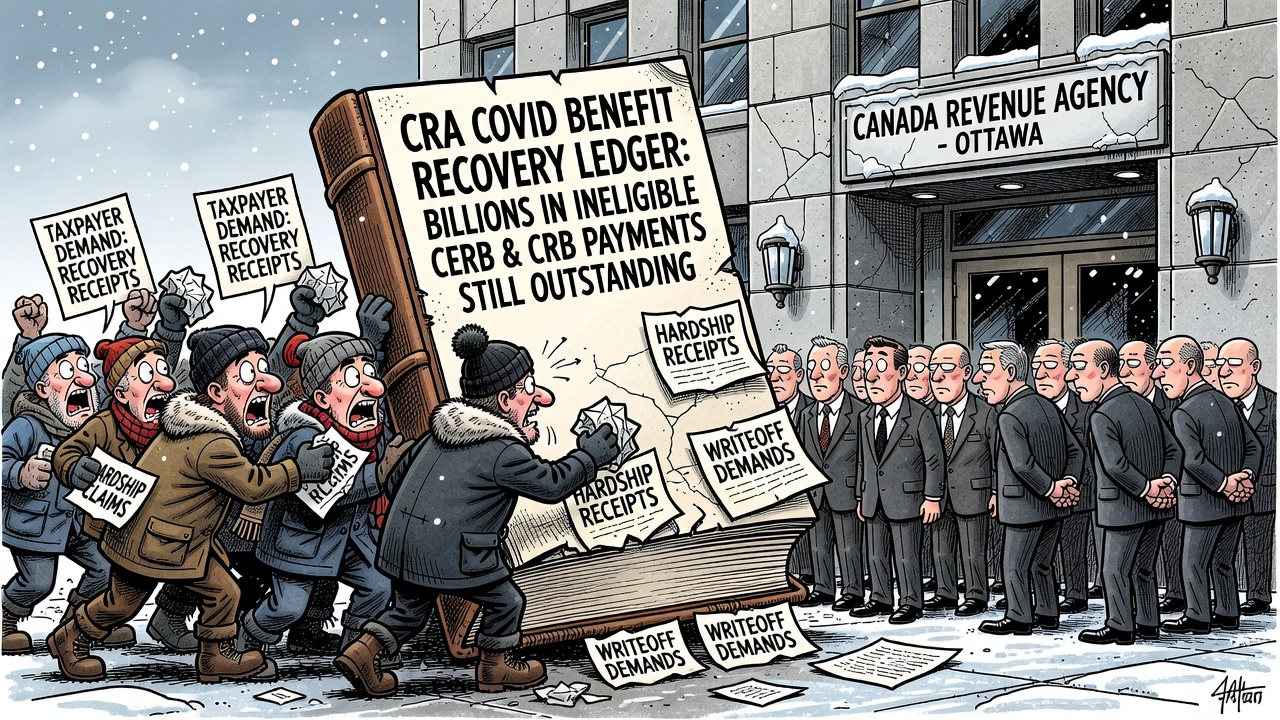
The pandemic was an emergency. That does not make the cleanup optional. CBC reported that Canada Revenue Agency data shows Ottawa was still owed $5.56 billion as of July 31, 2026, for COVID-19 individual benefits paid to people later deemed ineligible. That figure is down from more than $10 billion reported as outstanding on November 30, 2025, but it is still a multibillion-dollar hole that taxpayers deserve to see tracked in public.
The core problem is not mysterious. Ottawa chose speed first. The Auditor General’s 2022 audit said the government’s emergency programs quickly delivered relief and helped reduce poverty during the crisis, but also relied heavily on personal attestations and limited up-front eligibility checks. The tradeoff produced large overpayments and pushed the hard verification work into the future. Four years later, that future is still here.
According to the CRA figures reported by CBC, the agency originally paid about $14 billion in COVID-related individual benefits to people it later said were ineligible because they did not meet income requirements. Since collections began, roughly $3.671 billion in individual-benefit debt has been repaid. The remaining balance includes about $2.91 billion in Canada Emergency Response Benefit debt and $1.81 billion in Canada Recovery Benefit debt.
Conservatives should be clear about two things at once. First, many Canadians applied in good faith during a chaotic public-health shutdown and some are now facing real hardship. A fair recovery system should allow payment arrangements, review rights and relief where collection would be genuinely unreasonable. Second, compassion for struggling households is not a blank cheque for weak program design, weak verification or quiet writeoffs.
That is where the Carney government should stop hiding behind aggregate talking points and publish a COVID benefit recovery ledger. Canadians do not need private taxpayer files. They do need program-by-program totals showing how much was assessed, repaid, reversed after eligibility review, written off for accounting purposes, recommended for hardship treatment, referred for legal action and still outstanding. They also need to know how much of the balance reflects error, fraud, unclear rules or documentation failures.
CRA says changes in the overall receivable balance should not be read solely as repayments or writeoffs, and that debts deemed uncollectable for accounting purposes are not necessarily cancelled. Fine. Then publish the categories so the public can tell the difference. If billions disappeared from the outstanding total because people repaid, say so. If eligibility decisions changed, show that. If amounts were written off, explain the policy and the dollar value.
Emergency government should still be auditable government. Ottawa asked taxpayers to accept rushed spending in 2020 because speed mattered. In 2026, speed is no excuse for secrecy. Before Liberals declare the COVID benefits file cleaned up, they should show Canadians the receipts: recovery, hardship, enforcement, writeoff and error-rate numbers, all in one public ledger.
- CBC News via Yahoo News: CRA still owed over $5B in COVID-19 benefits sent to ineligible recipients
- Canada Revenue Agency: COVID-19 benefits — next phase of debt recovery
- Office of the Auditor General of Canada: Report 10 — Specific COVID-19 Benefits
- Canada Revenue Agency: Repay COVID-19 benefits
This article distinguishes program-integrity accountability from individual hardship cases. It argues for aggregate disclosure, not publication of private taxpayer information.