Publish the Chen China Trip Cybersecurity Ledger
A sponsored trip, a cyber-risk flag and foreign-influence optics require receipts, not rumours.
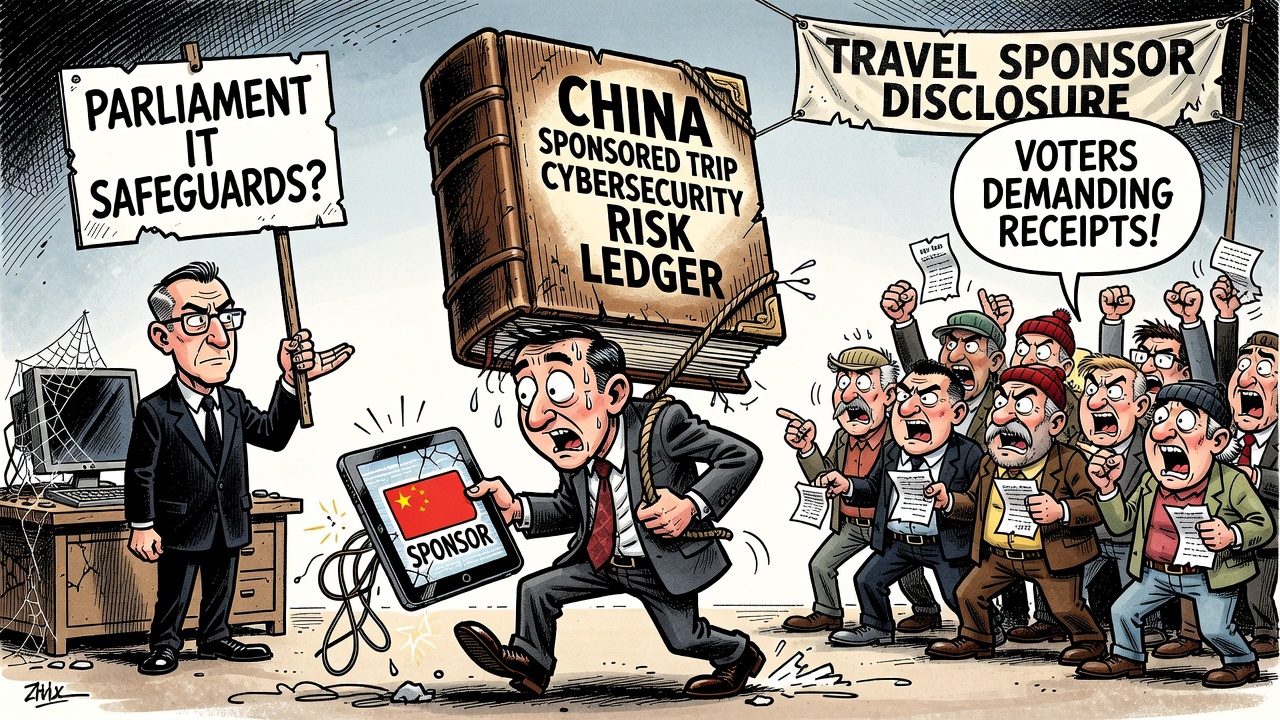
The Shaun Chen story needs less viral certainty and more official paper.
Start with what responsible critics should concede. Canadian Press reporting found the online claim that Chen voted from China was false: MPs cannot use the House’s electronic voting system from outside Canada, and Chen’s office said he was in China from March 14 to March 22 before returning for the March 23 sitting. That matters. Conservative accountability should not depend on repeating an allegation after the record undercuts it.
But the corrected fact-check does not close the file. It opens the right one.
Chen’s trip was disclosed as sponsored travel to China for the 34th World Hakka Conference, with the Hakka Canadian Association listed as sponsor and travel dates of March 14 to 22. Reporting also says House IT emails connected to the trip involved a loaned tablet and temporary SIM card, while the travel was assessed as a potentially high cybersecurity risk. That is not proof of wrongdoing. It is proof that the public deserves a clean ledger before everyone is told to move along.
China is not an ordinary foreign-travel file for Canadian elected officials. Ottawa has spent years promising seriousness on foreign interference, diaspora intimidation and hostile-state cyber risk. If a sitting Liberal MP accepted sponsored travel to China, used House-managed devices or communications arrangements, and triggered a cyber-risk assessment, then the minimum answer is not a press-office assurance. It is a publishable record with private medical details and legitimate security secrets removed.
The ledger should include the full sponsored-travel disclosure, sponsor due-diligence notes, delegation list, itinerary, event hosts, meetings, costs, gifts, briefings received before departure, and any post-trip reporting. It should also include the House IT risk assessment in redacted form, the device and SIM protocols, whether any parliamentary account access was restricted, whether devices were wiped or quarantined afterward, and who signed off on the arrangement.
Independent reporting has raised additional questions about WeChat material and alleged United Front-linked optics. Those claims should be tested against documents, not amplified beyond the evidence. The answer to foreign-influence concern is not guilt by association or ethnicity. It is a neutral standard: when public office, sponsored travel, cybersecurity controls and an authoritarian foreign state intersect, publish the receipts.
Chen and the Liberal government can make this simple. Release the travel and cybersecurity ledger. If the trip was properly vetted, Canadians will see that. If safeguards were weak, Canadians will see that too. Either outcome is better than a fog of rumours around a file Parliament should be able to document.
- CityNews / Canadian Press: Liberal MP Shaun Chen to resign following car accident last year
- CKPGToday / Canadian Press: Fact File: claims Liberal MP voted in House of Commons while in China are false
- Office of the Conflict of Interest and Ethics Commissioner: Members’ travel and compliance reports
- Conflict of Interest and Ethics Commissioner public registry: Sponsored travel registry entry
- Rebel News / Andy Lee: Questions about Chen’s China trip and foreign-influence optics
- Western Standard: Questions emerge over timeline of Chen’s reported crash
This article does not claim Chen voted from China, committed a disclosure offence or acted for a foreign state. It argues that sponsored travel to China with reported cybersecurity controls deserves a public, redacted ledger.