If C-18 Dies, Publish the Digital Concession Ledger
Before Ottawa trades internet policy for tariff relief, publish the digital side letter and every concession accepted or rejected.
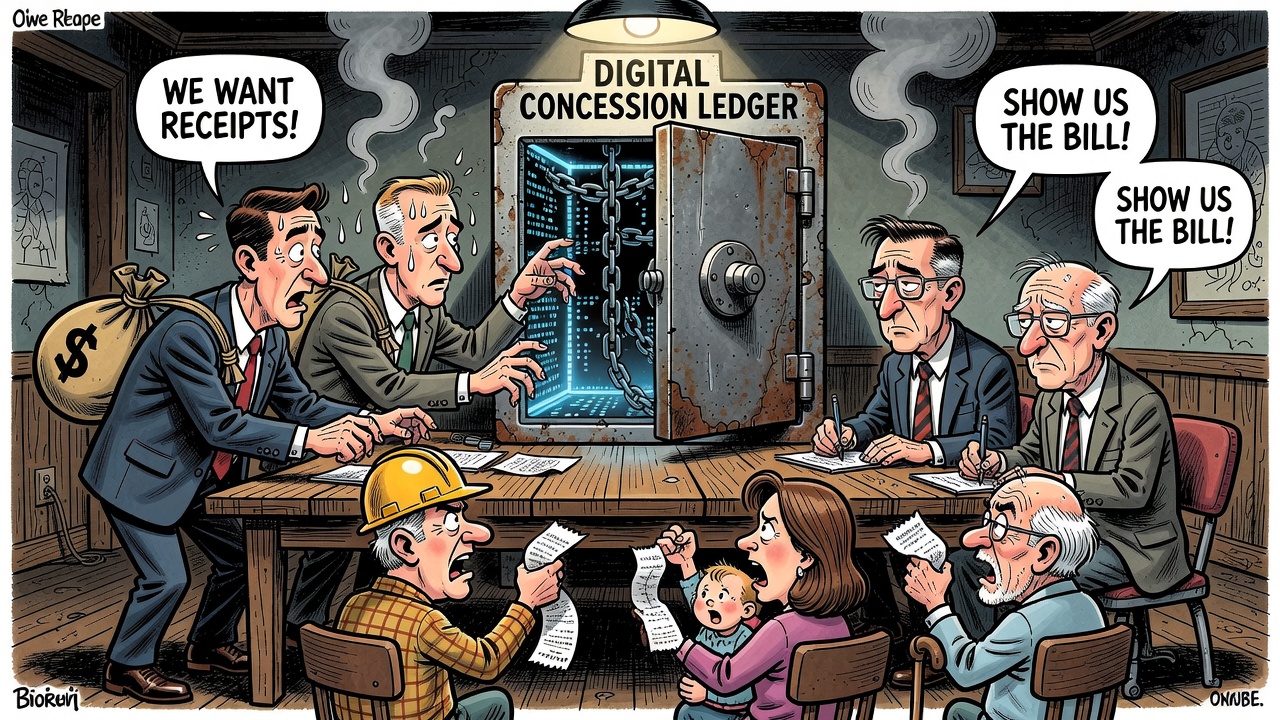
Canadians were told for years that Ottawa’s internet laws were essential to sovereignty, culture and journalism. Now, as Canada-U.S. trade talks move through the final hours, the same policies may be quietly rebranded as bargaining chips.
Prime Minister Mark Carney’s August 18 statement said Canada and the United States had made “substantial progress” on trade while important work remained. Digital-law professor Michael Geist then flagged a U.S. trade signal about “digital trade alignment,” arguing that the phrase could put Canada’s digital services tax reversal, the Online Streaming Act, the Online News Act, data flows, sovereign-cloud plans and pending online bills in play.
That does not prove C-18 is dead. It does prove Canadians need receipts before the government claims victory. Canadian Heritage’s own May 2026 briefing says the Online News Act remains in force, Google has a five-year exemption tied to $100 million a year for the Canadian Journalism Collective, and Meta has blocked news for Canadians since August 2023. The same briefing also acknowledges that the Online News Act has been identified by the U.S. Trade Representative as a trade irritant tied to CUSMA review and U.S. tariff discussions.
That is the accountability problem. If the Liberals defended C-18 as a pillar of democracy, then Canadians deserve to know whether it is being watered down, paused, traded away, or locked into a side deal designed to satisfy Washington and Big Tech. If the Online Streaming Act’s streamer-contribution regime is being reset, Canadians deserve the same clarity: what changed, who asked for it, and which Canadian cultural groups or news outlets lose money as a result?
A conservative accountability standard is not “never negotiate.” Trade-offs are sometimes necessary. But sovereignty rhetoric cannot become a cover story for secret concessions. If Ottawa accepts U.S. digital-trade terms on cross-border data flows, data localization, cloud procurement, encryption, age verification or platform payments, Parliament and the public should see the list.
The government should publish a digital concession ledger before any victory lap: every U.S. demand, every Canadian counter-demand, every statute or regulation affected, every side letter, every implementation date, every agency responsible, and every stakeholder meeting with Big Tech, publishers, streamers, telecoms and civil-liberties groups. Redact only what is genuinely confidential in active negotiations.
If Carney wants Canadians to believe this is smart trade policy, he should prove it. Do not bury internet law in tariff paperwork. Publish the digital receipts.
- Michael Geist: Digital Trade Alignment: What May Be in Play in the Canada-U.S. Trade Deal
- Prime Minister of Canada: Statement by Prime Minister Carney on ongoing Canada-U.S. trade negotiations
- Canadian Heritage: United States and Negotiations briefing note
- USTR: 2026 National Trade Estimate report on foreign trade barriers
This article does not assert that the Online News Act has been repealed or that a final digital side agreement has been published. It argues that any digital-trade concessions should be disclosed and accountable.