CRA’s Untracked Tax-Collection Files Need a Public Ledger
CRA can track taxpayers. Can it track its own collection files?
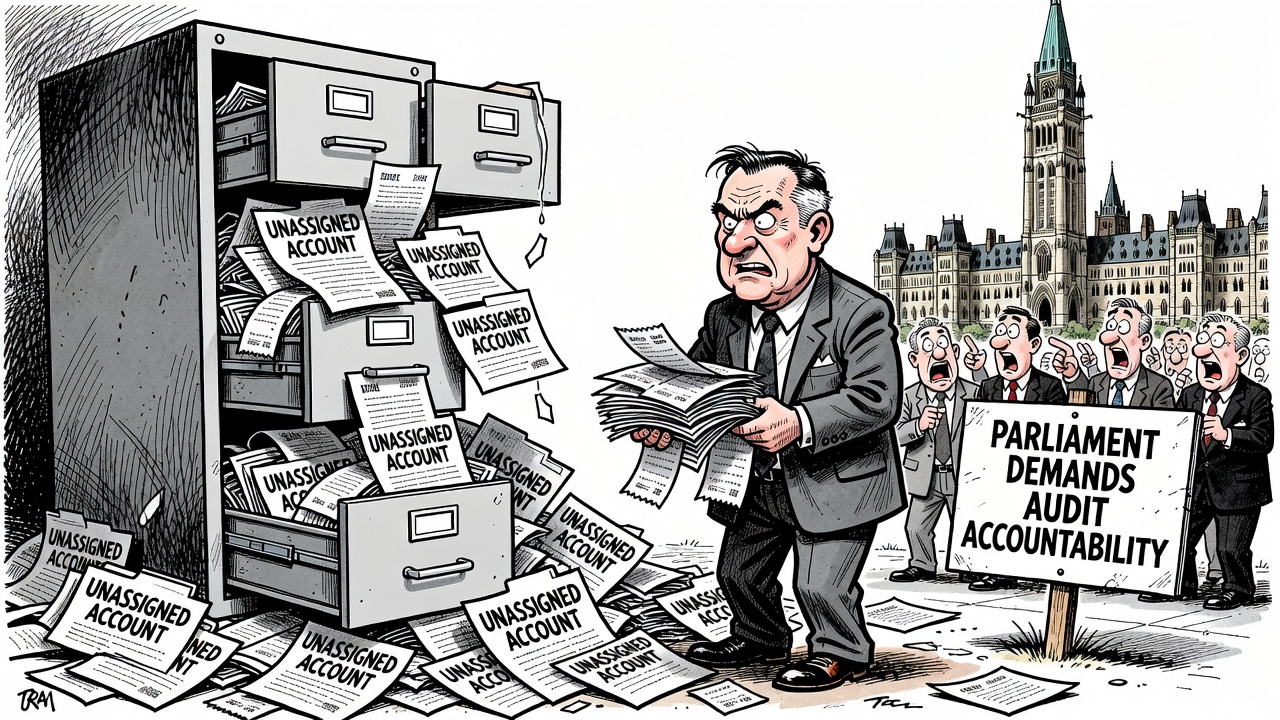
The Canada Revenue Agency has enormous power over citizens and small businesses. It can demand records, charge interest, garnish wages and pursue unpaid tax debts. That authority only works if Canadians believe the agency applies the rules competently and keeps its own house in order.
A new accountability problem sits inside CRA’s own audit file. The agency’s May 14, 2026 internal audit of the Accounts Receivable National Inventory — the program that handles tax-debt accounts under $1 million — says ARNI resolved 171,796 accounts and collected $8.291 billion in cash in 2024-25. That proves the program matters. It also makes the control failures harder to dismiss.
The most serious finding is plain English: “There is no process to track, monitor, or manage” assigned agent inventories that are collapsed and then become unassigned. In 2023-24, the audit says 611 collapsed inventories, containing 128,958 accounts, went from assigned to unassigned and were added back into ARNI inventory. In other words, a tax-collection system built to pursue Canadians did not have a documented process to follow a large batch of its own reassigned files.
The audit found other weaknesses too. Program performance measures were incomplete. Some payment arrangements at or below the $2,500 minimum balance were not monitored through the same reporting lens. The audit also found 56 per cent of ARNI payment arrangements were suspended at least once, with no apparent mechanism at headquarters or regional levels to measure, monitor or address that frequency. Those are not partisan adjectives. They are internal-audit findings.
Western Standard reported the story Tuesday and said Conservative revenue critic Jasraj Singh Hallan is demanding answers from Revenue Minister François-Philippe Champagne. He should. But this should not become a one-day quote fight. The minister’s test is whether he publishes a repair ledger Canadians can inspect.
Start with five receipts: the number of collapsed inventories by month and region; the age of every unassigned account bucket; the dollar value attached to those accounts; the broken or suspended payment-arrangement rate; and the deadline for each management action promised in response to the audit. CRA management accepted the recommendations. Good. Now show whether they are being completed on time.
Conservatives should not argue that tax debts should go uncollected. They should argue the opposite: if Ottawa insists taxpayers meet every deadline and produce every receipt, then the federal tax collector must meet the same standard. Fairness requires competence. Enforcement requires trust. And trust requires a ledger, not a press line.
CRA has the power to demand Canadians’ books. Parliament should demand CRA’s.
- Canada Revenue Agency: Internal Audit – Accounts Receivable National Inventory — final report, May 14, 2026
- Western Standard: CRA audit finds nearly 129,000 tax collection files went untracked as Tories demand answers — August 11, 2026
This article relies primarily on CRA’s published internal audit. It argues for public follow-up metrics; it does not claim the accounts disappeared or that every unassigned account was uncollectible.