The Supreme Court Just Reopened the WE Charity Accountability Door
The WE Charity file is not closed. The Supreme Court has said political oversight is not enough when Canadians are asking whether an ethics ruling can be tested in court.
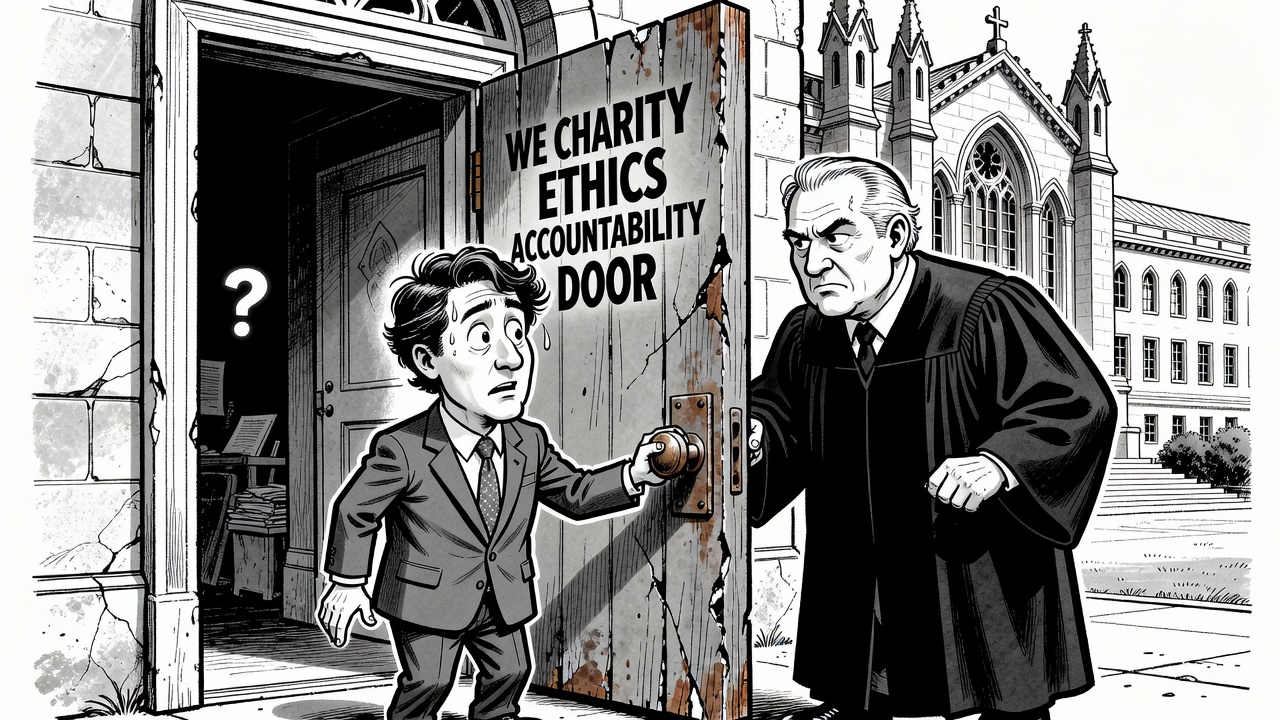
The WE Charity scandal has always been about more than one cancelled program. It was about whether the same political class that benefits from Ottawa’s ethics system can also be the final judge of whether that system worked.
On July 30, 2026, the Supreme Court of Canada reopened that question. In the case of Democracy Watch v. Attorney General of Canada, the Court allowed Democracy Watch’s appeal, set aside the Federal Court of Appeal order that had dismissed its application for judicial review, and sent the matter back to the Court of Appeal. Most importantly, the Court declared section 66 of the Conflict of Interest Act of no force and effect to the extent it barred judicial review on questions of fact and law.
That is a major accountability ruling. It does not mean Justin Trudeau has been found to have broken the law in the WE Charity matter. It means the watchdog’s challenge to the ethics commissioner’s 2021 finding can proceed instead of being shut out by a statutory shield and a theory that political oversight is good enough.
Canadians should remember the original issue. In May 2021, then-ethics commissioner Mario Dion concluded that Trudeau did not breach the Conflict of Interest Act when he participated in two decisions involving WE Charity. Democracy Watch argued the ruling contained legal and factual errors and applied for judicial review soon afterward. Government lawyers fought to have the case tossed, arguing in part that section 66 sharply limited court review of the commissioner’s decisions.
Section 66 said every order and decision of the commissioner was final and could not be questioned or reviewed in court except on narrow Federal Courts Act grounds. For ordinary Canadians, that reads like a moat around the ethics office. For prime ministers and cabinet ministers, it risks becoming a luxury: a powerful person gets an ethics ruling, and the public is told to take the political system’s word for it.
A conservative accountability standard rejects that. Independent officers matter, but independence cannot mean insulation from the courts. If a ruling about a prime minister rests on an error of law or fact, Canadians deserve a legal pathway to test it. Parliament can ask questions. Voters can punish governments. Neither substitutes for judicial review.
The Supreme Court’s ruling should now force a broader repair job. Ottawa should amend the Conflict of Interest Act so ethics decisions are reviewable on normal administrative-law grounds, publish clearer reasons in high-profile cases, and require Parliament’s ethics committee to review whether the commissioner has the tools, timelines and disclosure powers needed to handle files involving prime ministers, ministers and their families.
The WE Charity file is not closed because accountability was delayed. The Court has reopened the door. Now Canadians should insist that no future Liberal, Conservative, NDP or Bloc government can hide ethics rulings behind a legal lock marked “final.”
- Supreme Court of Canada: Democracy Watch v. Attorney General of Canada, file 41576
- Global News / The Canadian Press: Judicial review of ethics ruling in Trudeau WE Charity case to proceed
- Department of Justice Canada: Conflict of Interest Act, section 66
- Democracy Watch: Background on the WE Charity ethics appeal
This article describes the Supreme Court’s procedural and constitutional ruling. It does not state that Trudeau was found to have breached the Conflict of Interest Act in the WE Charity matter; it argues that ethics rulings involving senior officials should be reviewable and publicly defensible.