Ottawa’s Whistleblower Surge Needs an Integrity Ledger
If Ottawa says it protects public-sector integrity, it should publish the case-aging, funding and reprisal-timeline receipts before the system buckles.
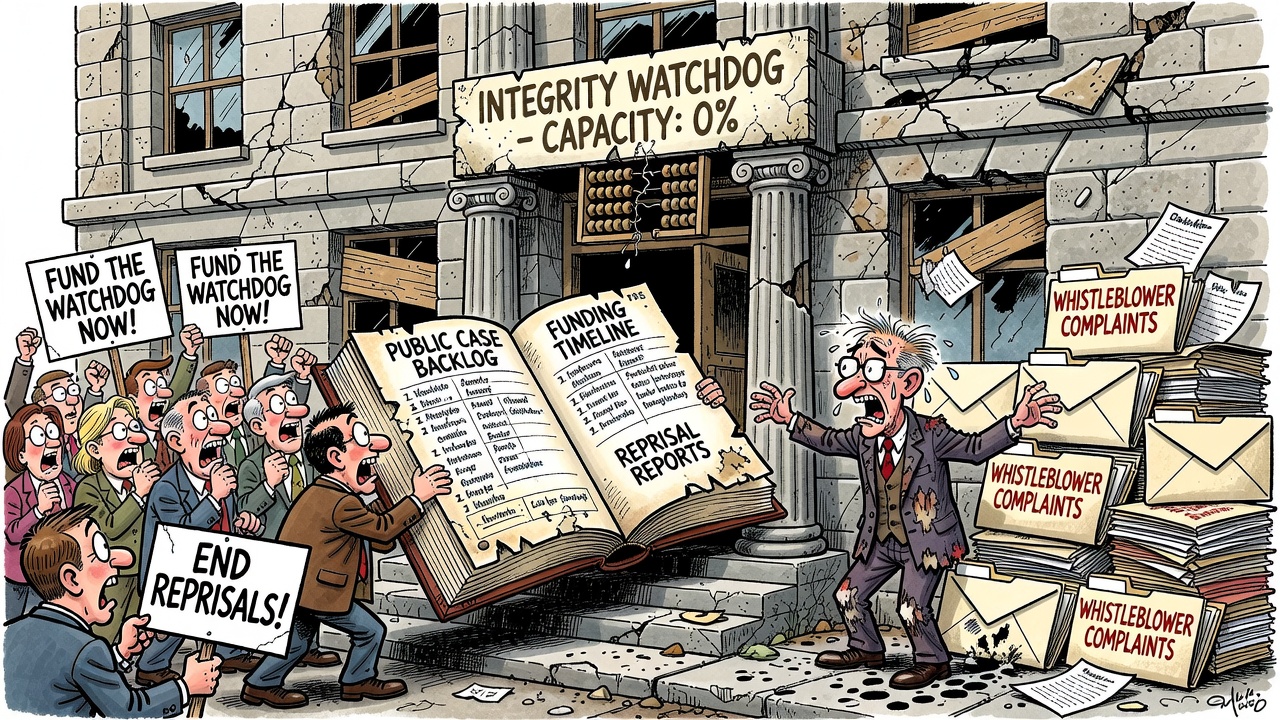
The federal whistleblower system is flashing a warning light, and the Carney government should not be allowed to bury it in annual-report language. The Office of the Public Sector Integrity Commissioner says disclosures of wrongdoing rose to 546 files in 2025-26, up from 348 the year before. Reprisal complaints rose to 143, up from 89. In total, the office received 689 new submissions and completed 582.
Those numbers do not prove every allegation is true. They do prove something important for taxpayers: more public servants are using the formal integrity channel, and more are alleging retaliation for speaking up. A serious government would treat that as a management-risk dashboard, not a communications inconvenience.
The commissioner’s annual report is blunt about capacity. The office says its current resources have not kept pace with the increased volume and complexity of cases, and warns that without sufficient sustained funding, the credibility of Canada’s federal whistleblowing regime is at risk. That is the accountability test. If ministers want credit for integrity rules, they must also fund the referee, publish the wait times and show whether founded cases produce real consequences.
The wider misconduct picture makes the ledger even more necessary. Public Services and Procurement Canada says it completed or closed 145 employee-misconduct investigations in 2025-26. PSPC also says it has recovered $4.8 million in public funds since March 2024 tied to overbilling schemes. Those are not abstract ethics-class examples. They are taxpayer dollars, procurement controls and internal discipline files.
The conservative accountability position is straightforward: protect legitimate whistleblowers, protect due process for the accused, and publish aggregate receipts that let Canadians see whether the system works. That means a public table showing new disclosures, reprisal complaints, dismissals, investigations launched, founded wrongdoing, referrals, corrective actions, average case age and backlog by quarter. Departments should report how many reprisals were substantiated, how quickly interim protections were offered, and whether senior managers faced discipline when wrongdoing was confirmed.
Ottawa often talks as if trust can be restored with another code of conduct. It cannot. Trust is restored when insiders can report wrongdoing without career destruction, investigators can move quickly, and taxpayers can see outcomes without compromising privacy. If whistleblower complaints are surging while the watchdog is warning about capacity, the answer is not another slogan about values. It is a funded, public integrity ledger.
- Office of the Public Sector Integrity Commissioner: 2025-26 Annual Report
- Public Services and Procurement Canada: Addressing misconduct and wrongdoing: 2025-2026
This article argues for stronger public reporting around the federal whistleblower system. It does not assume that every disclosure or reprisal complaint is founded; it calls for timely, defensible outcomes and aggregate transparency.