CAF Extremism Cases Need a Public Process Ledger
Due process matters. So does public confidence when terrorism-related or extremist-plot allegations involve military members.
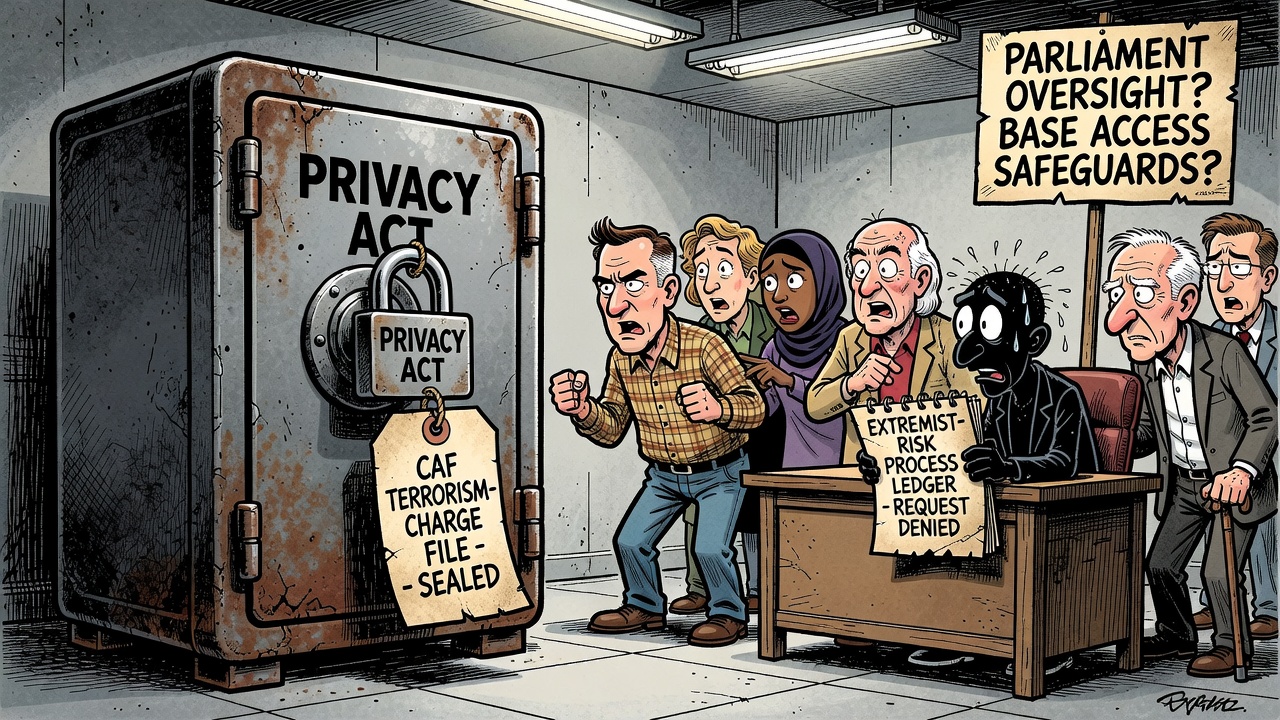
A Quebec man charged last year with facilitating a terrorist activity is no longer a member of the Canadian Armed Forces. That may be an appropriate outcome. The problem is that Canadians still do not know the process that produced it.
CBC News, carrying The Canadian Press, reported August 5 that Marc-Aurèle Chabot is no longer in the CAF. Department of National Defence spokesperson Cheryl Forrest declined to provide further details about his release, citing the Privacy Act. The same report said a fourth suspect facing weapons charges remains a CAF member but is not performing military duties.
That privacy answer may be legally correct for an individual personnel file. But it is not enough for public confidence. When charges involving terrorism, explosives, prohibited devices or an alleged extremist plot touch serving military members, Ottawa should be able to explain the non-personalized protocol without revealing protected medical, disciplinary or employment details.
The RCMP announced the original charges in July 2025. It alleged that four individuals, including active CAF members, were involved in activities intended to forcibly take possession of land in the Quebec City area. Three men, including Chabot, were accused of taking concrete actions to facilitate terrorist activity and planning to create an anti-government militia. A fourth individual faced charges involving firearms, prohibited devices, explosives and controlled items. None of the allegations against Chabot reported this week have been proven in court.
That last sentence matters. Conservatives should not ask DND to prejudice a criminal case or hold a press conference on a member’s private file. The accountability demand is different: publish the rules, timelines and aggregate results so Canadians can see that the Forces protect both due process and operational security.
Here is the ledger DND should release. When a serving member is charged with terrorism-related offences, explosives offences, prohibited-device offences or alleged extremist-plot conduct, who is notified? Who suspends access to weapons, bases, secure systems and sensitive units? What triggers removal from duties? What release categories are available? What independent review checks whether the case reveals recruitment, supervision, vetting or insider-threat failures? When is Parliament briefed in aggregate?
That kind of ledger does not require naming an accused person, describing evidence before trial or breaching the Privacy Act. It requires the Carney government to admit that “trust us” is not a national-security policy.
The CAF asks Canadians to place extraordinary trust in uniformed service. DND should repay that trust with a standing extremist-risk process ledger: case counts, duty restrictions, access reviews, release outcomes, training fixes, vetting changes and audit dates. Protect the trial. Protect privacy. But publish the system.
- CBC News / The Canadian Press: Canadian Armed Forces member charged in terrorist case no longer in the military
- CTV News Montreal / The Canadian Press: Canadian Armed Forces member charged in terrorist case no longer in the military
- Royal Canadian Mounted Police: Ideologically motivated violent extremism: four individuals charged
This article argues for process transparency and aggregate oversight. It does not assert guilt; allegations described by police and media reports must be tested in court.