A Canadian at NATO Is Accused of Spying. Publish the Vetting Receipts.
A Canadian NATO intern has been arrested in Belgium on spying allegations. Ottawa should publish the allied-security vetting and notification ledger.
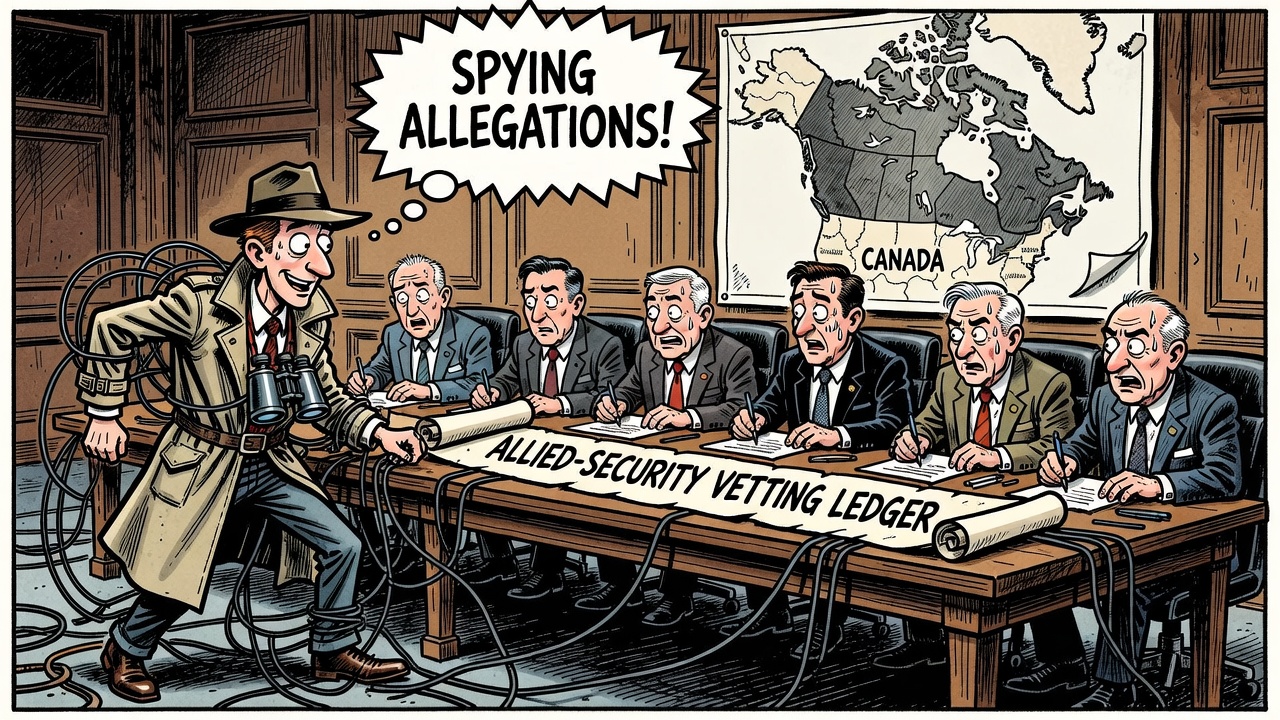
A Canadian citizen’s arrest on spying allegations at NATO’s military headquarters is exactly the kind of case where Ottawa should avoid theatre — and publish the receipts.
CBC reported Saturday that Belgian prosecutors say a Canadian woman who interned at NATO’s Supreme Headquarters Allied Powers Europe, or SHAPE, in Mons, Belgium, has been arrested on spying charges. Prosecutors allege she is suspected of spying for a third country and of being linked to a criminal organization. The alleged third country and organization were not publicly identified.
Those are allegations, not convictions. The suspect is entitled to due process. But Canadians are also entitled to know whether their government’s security systems worked before, during and after a Canadian national obtained access to a core allied military headquarters.
SHAPE is not a symbolic venue. CBC described it as NATO’s top military headquarters and the base of Allied Command Operations, responsible for planning and carrying out operations for the 32-member alliance. According to the same report, SHAPE security services flagged the suspect to Belgian intelligence, investigators searched her home and workplace, and a SHAPE spokesperson said there was no indication NATO or SHAPE operational readiness, command-and-control arrangements or ongoing tasks had been affected.
Good. If allied operations were not affected, say so clearly. Then answer the harder Canadian questions.
Public Safety Canada told CBC it could not comment on specifics while the matter remains under investigation, but said Canadian law-enforcement and intelligence agencies maintain relationships with partner agencies on threat-related activity. That is reassuring language. It is not an accountability ledger.
The ledger should be narrow, fair and public where possible: Did any Canadian department sponsor, recommend, screen or facilitate the internship? What security-screening level applied? Were Canadian agencies notified before Belgian authorities acted, after SHAPE flagged the concern, or only after arrest? Was any Government of Canada information, system access or personnel file involved? Did Ottawa conduct a parallel review of foreign-interference risks attached to Canadian placements in allied institutions?
This should not become an excuse for ethnic insinuation or collective suspicion. The accountability question is institutional: after years of warnings about foreign interference, are Liberal ministers willing to show that Canada’s vetting, information-sharing and after-action review systems are serious enough for allied trust?
Conservatives should be disciplined here. Do not overstate what prosecutors have not proven. Do not pretend Ottawa can disclose operational details that would help adversaries. But do insist on a public after-action framework, a classified briefing to the appropriate parliamentary oversight bodies, and a ministerial commitment to fix any gap found in screening or notification.
NATO allies share intelligence, commands, procurement plans and operational assumptions because they trust each other’s security cultures. If a Canadian-linked case reached SHAPE, the public question is simple: what did Canada know, when did it know it, what access existed, and what changes follow?
- CBC News / Thomson Reuters: Canadian intern at NATO military headquarters in Belgium faces spying charges
- Associated Press: Canadian intern at NATO’s military headquarters in Belgium faces spying charges
- Global News: Canadian woman who interned at NATO military HQ charged with spying in Belgium
Charges are allegations. This article argues for institutional accountability and public vetting receipts, not for prejudging the accused or disclosing operationally sensitive information.