If It Isn’t a Bailout, Why Kill the Hearing?
A government confident in its condo-conversion plan should welcome witnesses, documents and a clean public ledger.
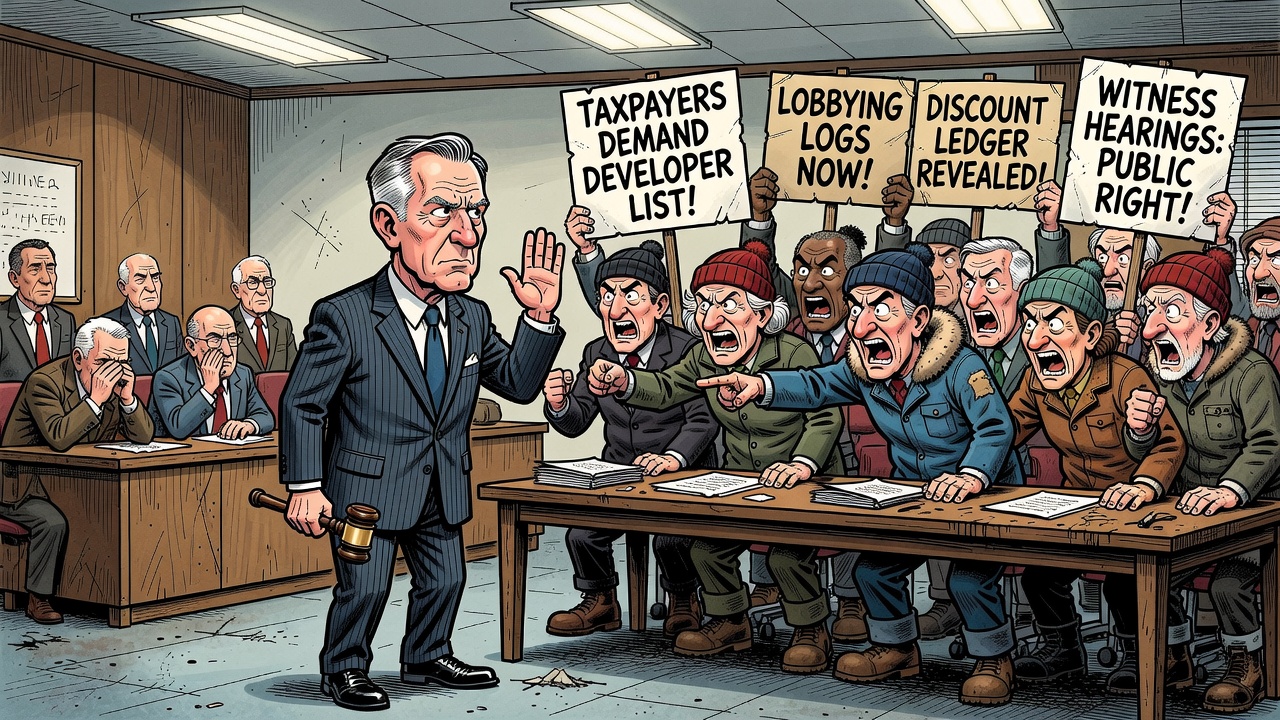
The B.C. condo-conversion plan may or may not become a good housing transaction. That is exactly why Parliament should be allowed to test it before the money and financing commitments harden into another fait accompli.
On June 18, the Prime Minister’s Office announced a Canada-British Columbia Partnership on Condo Conversion, saying Build Canada Homes and BC Housing would use financing tools to convert more than 2,200 vacant condo units in priority growth areas into affordable homes. The same announcement sat inside a broader B.C. infrastructure package worth more than $5 billion over 10 years, including major development-charge and infrastructure commitments.
That should bother anyone who cares about clean government, not just partisans. Conservatives call the plan a bailout for developers who built units buyers could not afford. Carney and B.C. Premier David Eby deny that, arguing governments can use distressed inventory to secure affordable homes faster and cheaper than new construction. Fine. Then prove it under questioning.
The government’s own defence makes scrutiny more necessary, not less. Global News reported that Carney said developers did not “directly” ask him to pursue the plan and that Ottawa was contemplating about 10 per cent of roughly $1.4 billion in financing. Canadian Press later reported Housing Minister Gregor Robertson told committee members details were still being finalized and Ottawa was expected to contribute $150 million, with B.C. matching that and the rest financed to purchase and hold buildings.
Those are not minor footnotes. They are the heart of the issue. Who owns the units? What discount is being demanded from sellers? Which projects qualify? Were developers, lenders, lobbyists or provincial officials involved in shaping the criteria? What conflict screens were run for ministers, staff, Build Canada Homes, BC Housing and politically connected firms? What happens if the units do not sell through rent-to-own? Who carries repairs, strata liabilities, vacancies and market risk?
Ending debate before witnesses can answer those questions sends the worst possible signal: trust us now, see the terms later. That is backwards. Public money should move after the ledger is public, not before.
If this is truly not a bailout, the Liberals should reopen the hearing, publish the lobbying logs, table the conflict-screen documents, release the pricing formula and disclose every transaction before closing. A transparent bargain can survive scrutiny. A sweetheart deal cannot.
Canadians do not need another housing announcement wrapped in slogans. They need receipts: seller names, appraisals, discounts, financing terms, affordability covenants and repayment schedules. If the government refuses even a committee hearing, taxpayers are entitled to ask what the hearing might have found.
- Prime Minister of Canada: Canada and British Columbia forge new partnership to accelerate homebuilding, lower costs, and build new local infrastructure
- Canadian Mortgage Trends / The Canadian Press: Liberals shut down debate over proposed probe into B.C. condo buyout plan
- Global News: Poilievre asks ethics committee to probe plan to buy unsold B.C. condos
- iPolitics: Carney defends B.C. condo deal as opposition parties slam feds for developer “bailout”
This article argues for hearings, transaction disclosure and conflict-screen transparency before public financing is committed to condo conversions.