Global Affairs’ U.S. Mission Audit Needs a Public Fix-It Ledger
Canada’s largest diplomatic network should not run on rising costs, uneven controls and private hardship hidden inside internal management plans.
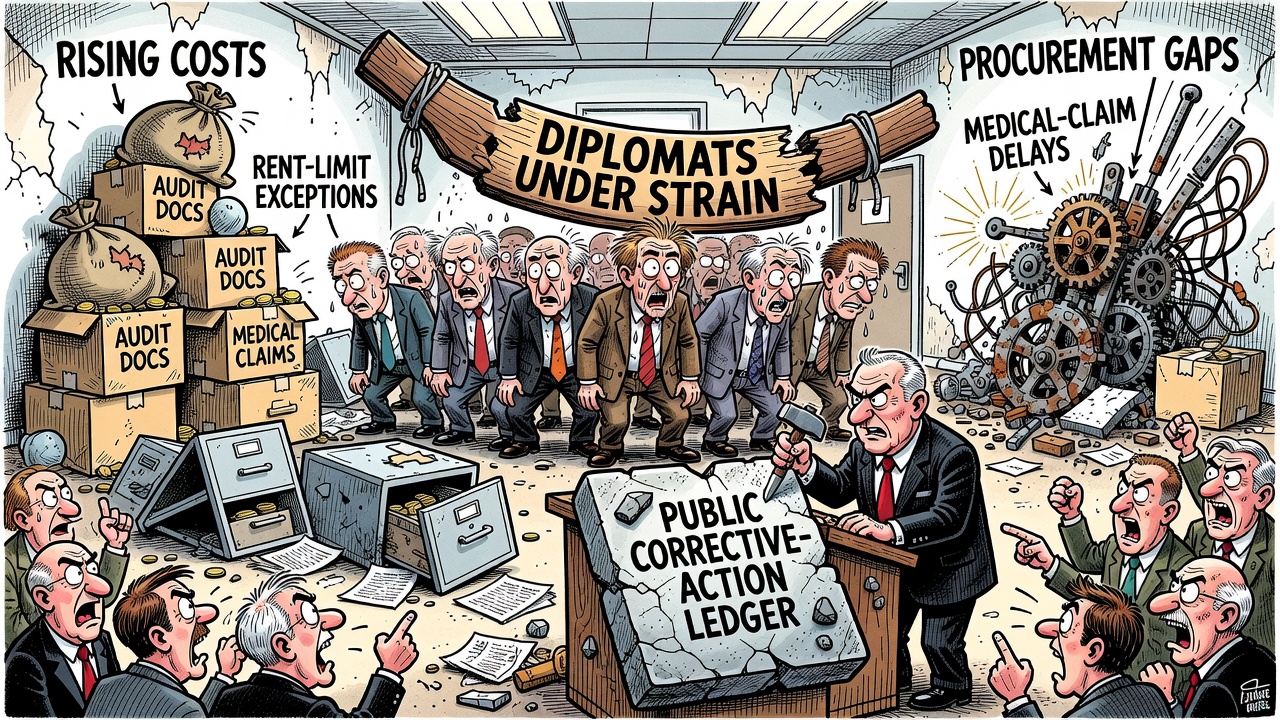
Global Affairs Canada’s U.S. mission audit is not an argument against diplomats. It is an argument for competent management of the people and public money sent to represent Canada in its most important foreign relationship.
The official audit says the U.S. network includes an embassy, 12 consulates general and three trade offices. It counted about 486 Global Affairs employees and another 254 partner-department or co-located employees in U.S. missions. It also says mission expenditures rose from $117 million in 2022–23 to $132 million in 2024–25.
That is a major platform. Yet the audit found the kind of administrative slippage taxpayers have seen too often in Ottawa: procurement files missing key documentation, unclear contract deliverables, payment terms that did not always match completed service, inconsistent performance agreements, gaps in tracking attractive goods and IT inventory, staffing delays and uneven emergency-planning practices.
Canadian Press, published by CityNews and Global News, highlighted the human side: staff in U.S. missions faced security concerns, housing pressure and problems accessing health care. The audit itself says major U.S. cities present risks from street crime, protests, firearms and broader social crises, while some mission staff were carrying security duties on top of regular program jobs.
The health-care section is especially hard to defend. The audit says Canada-based staff reported excessive claim-processing delays, errors and poor responsiveness from the medical insurance system. Some staff needed repayable advances or credit-card debt to carry U.S. medical costs, including one reported instance involving more than $100,000 in advances.
Housing is another receipt. Under the private-lease model, the audit found that 65% of active leases exceeded rent limits. If rent ceilings are routinely breached in real markets, then the ceiling is not a control; it is a paperwork ritual that forces exceptions after the fact.
Prime Minister Mark Carney’s government is also making political and outside appointments into U.S. posts. That makes transparency more urgent, not less. If Ottawa wants Canadians to trust an expensive, strategically vital diplomatic network, it should publish a mission-by-mission corrective-action ledger: expenditures, rent-limit exceptions, medical-claim delay data, emergency-readiness status, procurement-documentation compliance, staffing vacancies, appointment qualifications and deadlines for every promised fix.
The standard should be simple. Do not ask taxpayers to fund a $132-million platform, ask staff to absorb private stress, and then hide the remediation plan in bureaucratic fog. Publish the ledger.
- Global Affairs Canada: Audit of U.S. Mission Network
- Canadian Press via CityNews: Canadian diplomats in U.S. face gun violence, housing woes, audit finds
- Canadian Press via Global News: Canadian diplomats in U.S. face gun violence, housing woes: audit
This article argues for public management receipts and staff safeguards. It does not criticize career diplomats for serving in difficult postings.