Ottawa’s Clean-Water Bill Needs a Court-Fight Ledger
A government cannot campaign on clean-water justice while hiding the legal strategy it is using to limit that same duty in court.
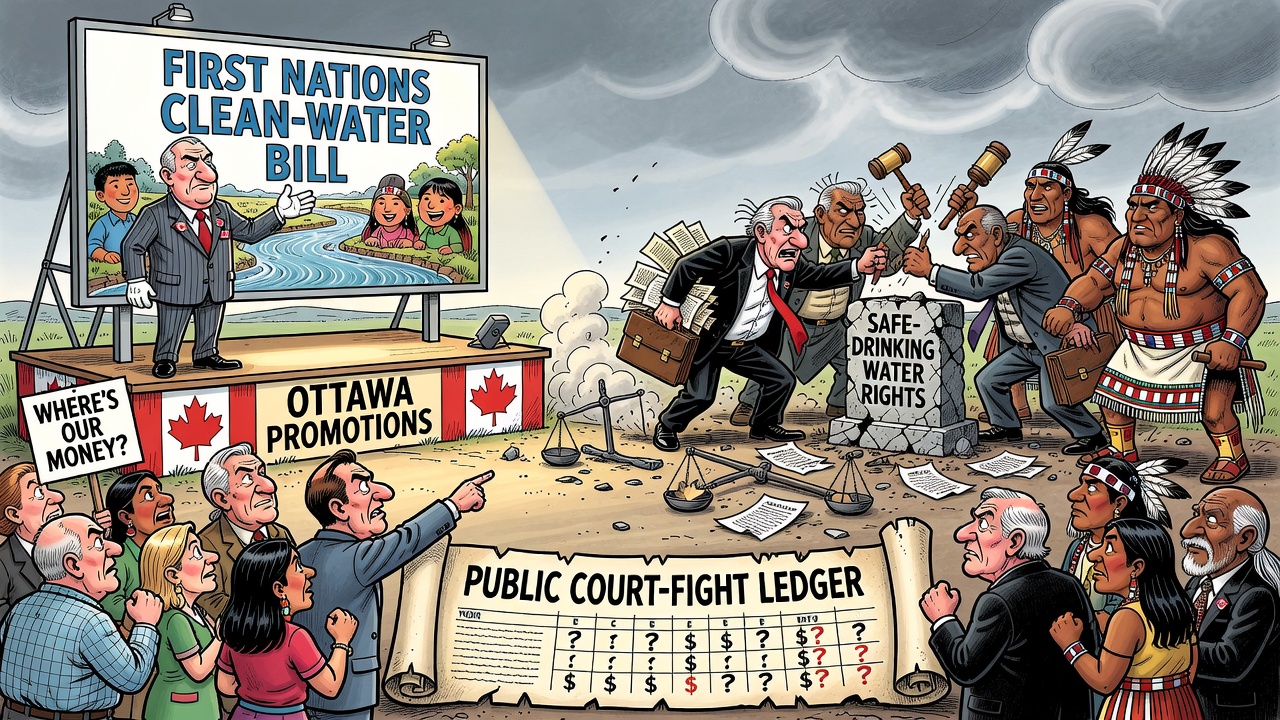
The Carney government has a simple credibility problem on First Nations drinking water: it is promoting Bill C-37 as new clean-water legislation while, according to CBC’s July 13 report, continuing Canada’s appeal against Shamattawa First Nation’s safe-drinking-water class-action victory.
That contradiction deserves more than ministerial talking points. Shamattawa launched its class action in 2022, alleging Canada breached obligations to ensure safe drinking water on reserves. In December 2025, Federal Court Justice Paul Favel ruled that First Nations have an “unmistakably Indigenous” interest in safe drinking water on reserves and that Canada’s control creates a duty to act in communities’ best interests. CBC reported that Canada’s May 29 appeal argument warned the ruling goes beyond existing legal obligations and “paves the way for unlimited government liability.”
Put plainly: Ottawa wants political credit for a water bill, but its lawyers are still fighting the legal consequences of a water-rights win. Conservatives, liberals and non-partisans alike should be able to agree on one thing: if the Crown is going to litigate the boundaries of a basic public-health duty, the public deserves to see the receipts.
Bill C-37 was introduced on June 16 as the First Nations Clean Water Act. The government’s own announcement framed it as a commitment to water, wastewater and source-water standards on First Nation lands. Yet major First Nations voices immediately said the bill needs work. Assembly of First Nations National Chief Cindy Woodhouse Nepinak said the legislation must be improved through direct engagement and warned it is missing essential elements, including recognition of First Nations’ rights to clean water, stronger source-water protection and sustainable funding.
The Anishinabek Nation was even sharper, saying Bill C-37 departed from the more collaborative process used on the previous Bill C-61 and removed explicit recognition that First Nation individuals have a human right to clean and safe drinking water. That is not a minor drafting complaint. It goes to the heart of whether Ottawa is building enforceable rights or another federal promise machine.
This is where accountability matters. If the government believes its appeal is legally necessary, publish the legal position. If it believes Bill C-37 fixes the problem, publish the amendments and funding table. If it believes consultation was adequate, publish the meetings, warnings and changes made because of First Nations feedback.
Clean water should not depend on press releases, courtroom technicalities or political branding. Before Ottawa asks Canadians to applaud Bill C-37, it should stop asking First Nations to trust a government that says one thing at the podium and another thing in court. Publish the clean-water court-fight ledger.
- CBC via Yahoo News: Liberals continue court fight against First Nations drinking water rights, despite new bill
- Indigenous Services Canada: Bill C-37, First Nations Clean Water Act
- Assembly of First Nations: Clean-water legislation must be improved through engagement
- Anishinabek News: Anishinabek Nation statement on newly introduced federal water legislation
This article argues for transparency around federal litigation, consultation and legislative drafting where safe drinking water on First Nation lands is at issue.