Bill C-12 Is Law. Now Publish the Border-Power Receipts.
Border security needs powers. Conservative accountability demands proof those powers are lawful, measured and working.
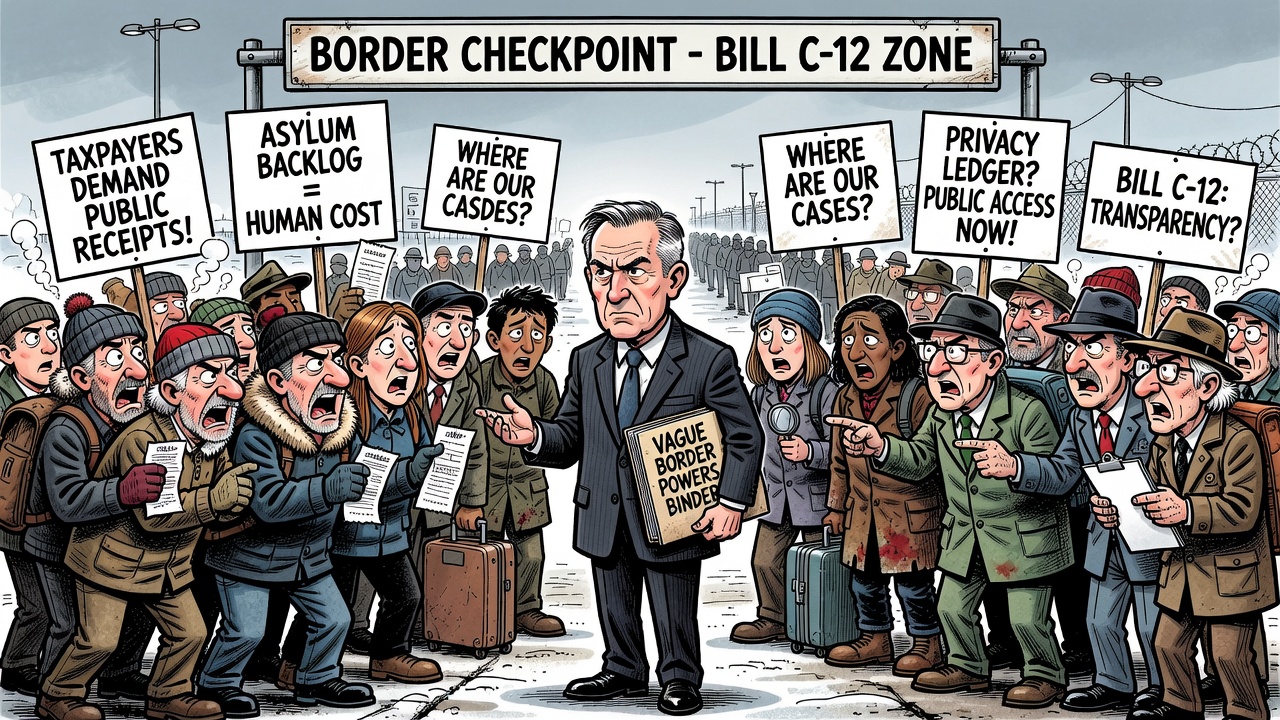
Bill C-12 is now law. That means the Liberal government no longer gets to campaign on “strong borders” as a future promise. It has new authorities today, and Canadians deserve to see whether those authorities actually fix the system without creating a new secrecy machine.
Public Safety Canada said the Strengthening Canada’s Immigration System and Borders Act received Royal Assent on March 26, 2026. The government says the law improves asylum processing, adds ineligibility rules, expands immigration-document controls, improves domestic information sharing, strengthens CBSA export examination powers and adds other tools aimed at organized crime, fentanyl and illicit financing.
Some of that is overdue. A serious country should know who is entering, who is eligible to stay, who is abusing a process and whether federal agencies can enforce the law. Conservatives should not apologize for demanding order at the border.
But order is not the same thing as blank-cheque government power. IRCC’s own materials say Bill C-12 creates new asylum ineligibility rules, lets ministers require complete “scheduling ready” files before referral to the Immigration and Refugee Board, enables more domestic information sharing, and allows cabinet to cancel, suspend or vary classes of immigration documents in the “public interest.” That phrase deserves daylight every time it is used.
The Immigration and Refugee Board’s briefing shows why slogans are not enough. As of September 30, 2025, the Board reported 296,200 pending refugee claims, including 103,400 not ready for adjudication. It said Bill C-12’s operational impact depended on regulations, implementation details and funded capacity, and that any impact on the existing inventory would be gradual.
That ledger matters because the Senate record shows the warning signs were real. During third-reading debate, senators cited testimony from legal, civil-liberties, refugee and human-rights groups raising concerns about privacy, procedural fairness, executive overreach and possible Charter challenges in Parts 5 to 8. Supporters answered that the Privacy Commissioner saw important safeguards in written information-sharing agreements. Fine. Then publish enough detail for Canadians to verify the safeguards are more than talking points.
The Liberal habit is to announce powers, centralize discretion and release results only when forced. That is how public trust dies. Border security is strongest when it is measurable: claims referred, claims refused, PRRAs accepted, removals completed, data shared, data breached, orders issued, court losses and costs.
Bill C-12 may help clean up a badly strained system. It may also move too much discretion behind cabinet doors. The difference will be in the receipts. Publish them now.
- Public Safety Canada: Legislation that strengthens the immigration system and border security receives Royal Assent
- Immigration, Refugees and Citizenship Canada: New immigration and asylum measures from Bill C-12 have become law
- IRCC committee materials: CIMM – Bill C-12, Strengthening Canada’s Immigration System and Borders Act
- Immigration and Refugee Board of Canada: Appearance before CIMM — October 21, 2025
- Senate of Canada: Debates of the Senate, March 10, 2026
This article supports lawful border integrity and criticizes opaque implementation. It is not an argument against legitimate refugees or due process.