IRCC’s Citizenship Surrender Letters Need a Public Ledger
IRCC says 100 certificates were flagged, 33 reinstated and 67 remain pending. That is not a footnote; it is a receipt test.
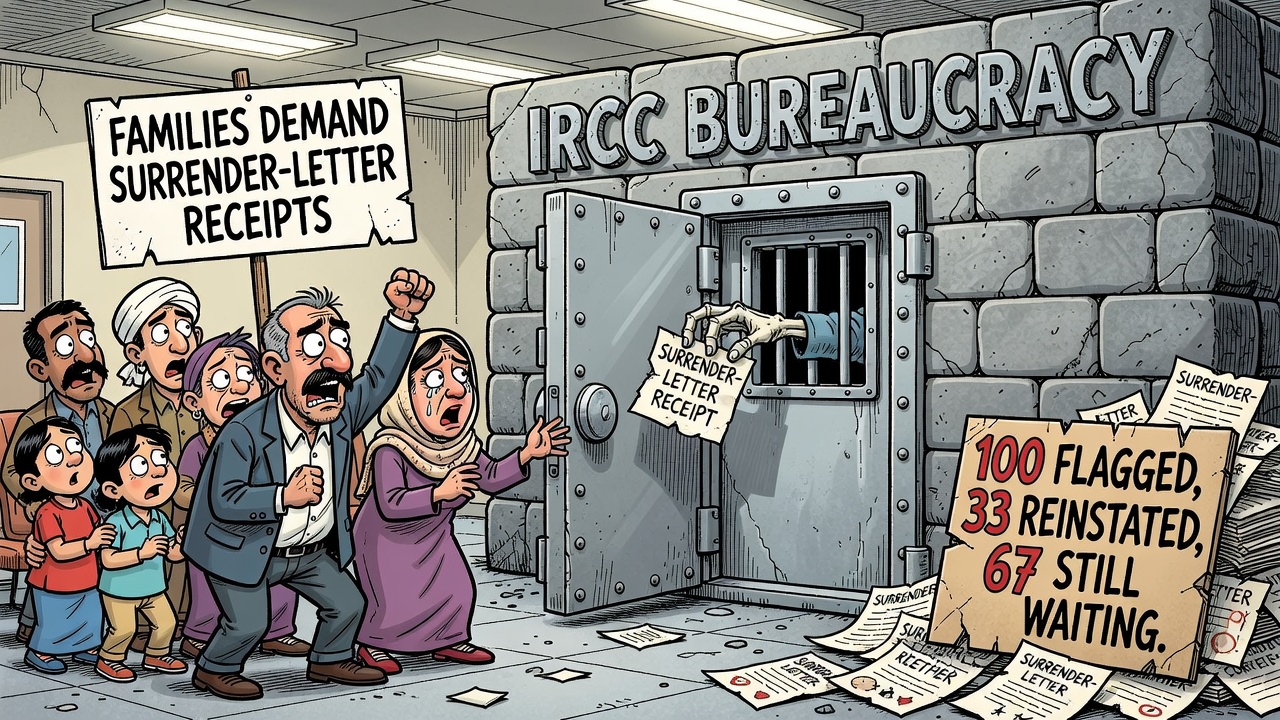
IRCC’s citizenship-certificate reversal has moved from a vague administrative mess to a numbered accountability test. After days of confusion over “Lost Canadians” who were told to surrender proof-of-citizenship certificates, the department now says a routine early-June review flagged 100 certificates issued under Bill C-3 with potentially insufficient supporting documentation.
That number matters. So does the breakdown. IRCC says 33 of the 100 certificates were automatically reinstated after the department confirmed the applicants met the legal requirement for citizenship. Another 67 cases remain outstanding, with the department promising either reinstatement or direct follow-up for more information in “a matter of days.” CIC News reports IRCC also reviewed roughly 6,500 citizenship-by-descent applications received under Bill C-3 and says that expanded review is complete.
The government wants Canadians to hear the phrase “only one per cent” and move along. Conservatives should not. If the state issues an official citizenship certificate, then orders it surrendered, then restores one-third of the flagged certificates without new public evidence from those people, the accountability question is not simply how large the affected group is. The question is why the approvals happened before the evidentiary standard was clear.
IRCC’s own explanation points directly at the bureaucracy. The department acknowledged that guidance on acceptable documentation for both officers and applicants was unclear and may have contributed to certificates being issued without sufficient evidence. That is not a citizen mistake alone. That is a government-process failure with real-world consequences for people who believed they held official proof of Canadian status.
Citizenship integrity matters. Canada should verify identity, lineage and legal eligibility. But due process matters too. A citizenship certificate is not a campaign flyer. It is a government document families may use to plan travel, work, school, passports and relocation. If Ottawa’s guidance was unclear, the burden should not be shifted quietly onto applicants through opaque surrender letters and rolling explanations.
The Carney government should publish a surrender-letter ledger: the number of certificates flagged, suspended, surrendered, restored and still pending; the legal authority used for each action; the exact document categories considered insufficient; the date each person was notified; whether any passports or travel plans were affected; and the appeal or reconsideration route available if IRCC refuses reinstatement.
It should also table the old and new officer guidance side by side. If the department changed the evidentiary standard after certificates were issued, Canadians deserve to see what changed, when it changed, who approved it and how affected people were protected from government whiplash.
The lesson is not that citizenship checks should be weak. The lesson is that a competent government checks before it certifies, explains before it demands surrender, and publishes receipts when its own unclear rules leave citizens in limbo.
- Global News: Ottawa blames “unclear” guidance for “Lost Canadian” citizenship recalls
- CIC News: IRCC claims only 1% of citizenship by descent applicants impacted
- Global News: “Something” led to “Lost Canadian” citizenship recalls, minister says
- Government of Canada: Change to citizenship rules in 2025
This article supports citizenship-program integrity while arguing that official status-document reversals require clear legal authority, transparent guidance and public counts.