CBC’s Political Booking Rules Need Daylight
Taxpayers should not have to guess whether Canada’s public broadcaster gives political viewpoints a fair shot.
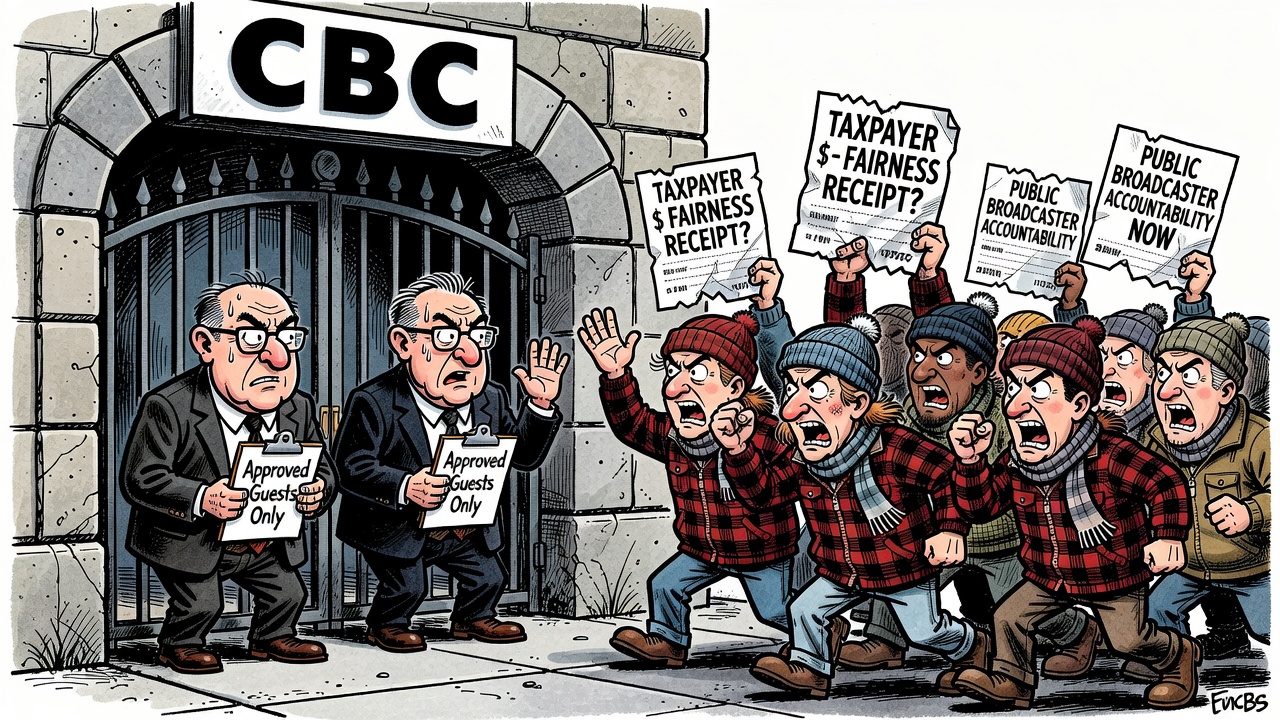
If CBC wants Canadians to trust it as a national public broadcaster, it should be able to publish the rules governing who gets on the air, who gets blocked, and who has veto power over political interviews.
That is the accountability question raised by former CBC host Travis Dhanraj’s March 10, 2026 submission to the House of Commons heritage committee. The committee notice confirms Dhanraj appeared as an individual witness during its study of the journalism and media sectors. His written submission says the issue is not merely a workplace dispute, but a matter of governance, editorial structure, workplace culture and public trust inside a taxpayer-financed broadcaster.
Those are allegations, and CBC disputes them. CityNews, carrying Canadian Press reporting, quoted CBC public affairs head Chuck Thompson saying Dhanraj made misleading statements and false allegations, and that CBC categorically rejected his accusations about CBC News, journalists and management. Fair enough: the public should hear both sides.
But a denial is not the same thing as disclosure. A public broadcaster funded by Canadians should not ask taxpayers to accept “trust us” on viewpoint fairness, especially when an internal former host has filed a detailed submission under parliamentary privilege and independent reporting says Access to Information records showed angry viewer reaction after his testimony.
The conservative accountability standard is simple and nonpartisan: publish the political-booking policy. Publish any written “guardrails” governing whether one CBC program must clear interviews through another. Publish anonymized logs showing how many interview requests for MPs, ministers, premiers, opposition critics and outside commentators were approved, denied, delayed or redirected. Publish the executive response records, while protecting legitimate privacy and labour-law limits. Publish complaints data by topic and viewpoint so Canadians can see whether dissatisfaction is real, isolated or systemic.
This is not about forcing CBC to become conservative media. It is about requiring a publicly funded institution to prove pluralism with evidence. The same standard should apply no matter which party is in power and no matter which viewpoint is complaining. If editorial independence matters, then internal gatekeeping rules matter too.
Ottawa keeps treating media trust as a funding problem. The better answer is an evidence problem. Before politicians discuss another boost, mandate a public fairness audit: booking rules, blocked-interview receipts, complaints summaries and management responses. Canadians paid for the microphone. They deserve to know who controls the switch.
- House of Commons CHPC: March 10, 2026 notice of meeting
- House of Commons CHPC brief: Submission from Travis Dhanraj
- CityNews / The Canadian Press: Former CBC anchor says the broadcaster “silenced and intimidated” him
- Juno News: Canadians flooded CBC with criticism for anti-Conservative bias
This article treats Dhanraj’s claims as allegations and includes CBC’s denial. The accountability demand is for public rules, logs and complaint summaries so Canadians can evaluate fairness using records rather than assurances.