The “Official Records” Loophole Would Make Ottawa Secrecy Easier
If a government record exists when a request arrives, Canadians should be able to ask for it.
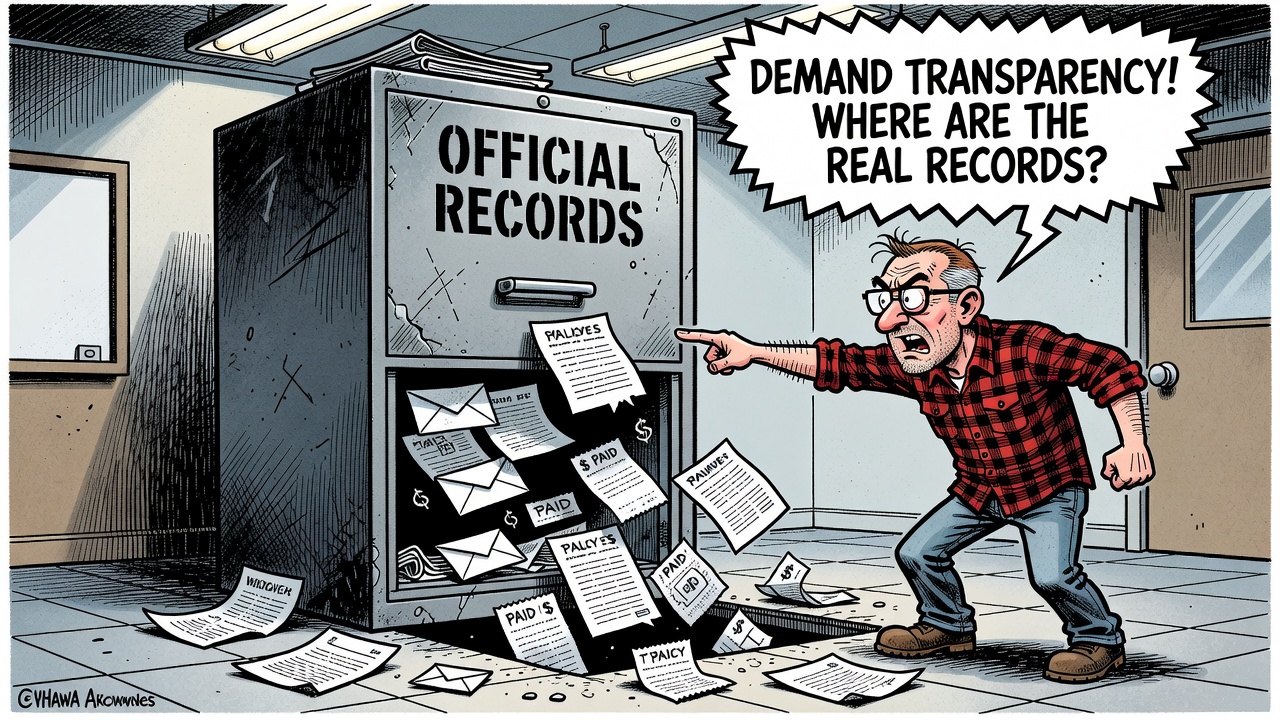
Ottawa says it wants to modernize access to information. Good. The federal access system is slow, over-lawyered and too often treated as an inconvenience by departments that spend public money. But modernization cannot become a polite word for making fewer records reachable.
That is the warning from Information Commissioner Caroline Maynard. In a submission to the Treasury Board Secretariat’s review of the Access to Information Act, she objected to the idea of replacing the broad concept of a “record” with “official records” — records with ongoing business value stored in official repositories. Canadian Press reported June 20 that Maynard called the proposal “a move in the wrong direction” because it could exclude “entire swaths of government-held records” from scrutiny.
The conservative accountability standard is simple: if taxpayers paid for the work, and a record exists when an access request is received, the default should be disclosure subject to lawful exemptions — not a technical escape hatch about where a bureaucrat saved the file.
Government work no longer happens only in formal memos. It happens in email threads, Teams chats, Slack workspaces, text-message screenshots, draft decks, spreadsheets and metadata trails. Some of those records are mundane. Some are genuinely transitory. Some are the exact receipts that explain who knew what, who approved what, and why a public contract, program or policy went sideways.
Maynard’s office has already shown why this matters. In its CBSA report on ArriveCAN-related requests, the Information Commissioner found Slack should have been searched for several access requests and warned that poor information management harms access rights and accountability. That lesson should push Ottawa toward better preservation and broader searches, not toward a legal definition that rewards departments for failing to put embarrassing material in the “official” folder.
There are legitimate problems to fix. Access requests can be sprawling. Departments need clearer retention rules, faster processing, better digital search tools and penalties when officials destroy or ignore responsive records. But excluding whole categories of existing records is not efficiency. It is opacity with a productivity label.
Prime Minister Mark Carney’s government likes the language of trust and competent administration. Here is the test: publish the post-consultation plan, reject the “official records” loophole, preserve technology-neutral access, and make departments prove they searched the places where public business actually happens. Canadians do not need a narrower window into Ottawa. They need the receipts.
- Canadian Press via CityNews: Bid to narrow transparency law “a move in the wrong direction,” info watchdog says
- Office of the Information Commissioner: 2025 Review of the Access to Information Act
- Treasury Board Secretariat: Reviewing the Access to Information Act
- Office of the Information Commissioner: Canada Border Services Agency (Re), 2026 OIC 46
This article argues that any access-law reform should improve speed and information management without narrowing the public’s right to request existing government records.