Carney’s Right-to-Strike Test Needs Daylight
If Ottawa is studying ways to narrow strike power in federally regulated sectors, Canadians deserve the consultation paper before the policy is already baked.
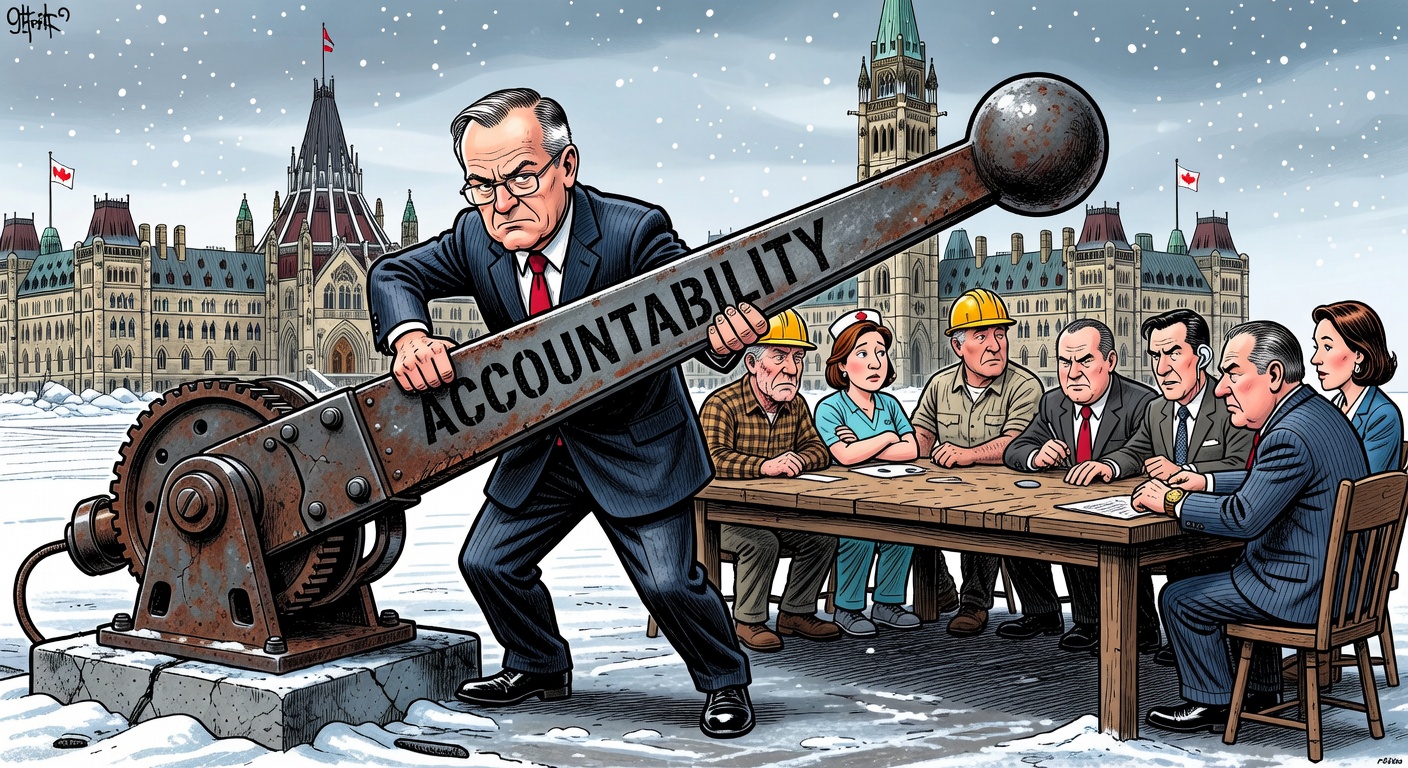
The Carney government has found a revealing place to test its accountability instincts: labour law. On May 22, CUPE warned that Ottawa is considering changes it says could weaken the Charter-protected right to strike. The federal consultation is real. The government says it is seeking views on reforms to Part I of the Canada Labour Code, which governs collective bargaining in federally regulated workplaces. Written submissions, according to legal analysis of the process, run to May 25.
That does not prove the Liberals have already decided to gut strike rights. It does mean the public deserves more than soothing language. The federally regulated economy includes airlines, rail, ports, telecommunications, banking and other sectors where a shutdown can quickly become national news. In those industries, every word of labour law matters. A government can call a proposal “stability.” Workers may experience the same proposal as a thumb on the scale.
CUPE says the ideas under discussion include tighter bargaining timelines, broader use of essential-service rules, earlier federal intervention, mediation and binding arbitration. Employment-law analysis from Fasken described the consultation as a federal review of labour relations reform under the Code, not merely a press-release exercise.
Here is the conservative accountability point: rights should not be rewritten by quiet stakeholder process and then sold to the public after insiders have shaped the result. The Supreme Court of Canada has recognized meaningful strike action as protected by freedom of association. If the Carney government believes limits are necessary for critical infrastructure, it should say so plainly, publish the options paper, identify who was invited to consult, and release the legal analysis showing how any proposal survives Charter scrutiny.
There is a principled balance to be struck. Canadians need reliable ports, rail lines and air travel. Small businesses can be crushed when supply chains freeze. Families can be stranded when transportation stops. But those harms do not erase the basic democratic problem: when government makes strikes less effective, it changes the bargaining table before either side sits down.
Carney often presents himself as the adult in the room, the technocrat who can manage complexity. Fine. Then manage this in public. Publish the consultation record. Show the precise problem Ottawa is trying to solve. Separate emergency back-to-work powers from permanent bargaining-rule changes. And if the Liberals are not planning to narrow the right to strike, they can say that in writing now.
Until then, this is a receipt test. Workers, employers and taxpayers all deserve labour peace built on transparent rules, not a private conversation between a pro-business Liberal government and the sectors most eager to avoid disruption.
- CUPE: CUPE warns Carney government against unprecedented attack on workers’ rights
- Government of Canada: Consultation on labour relations under Part I of the Canada Labour Code
- Fasken: Government of Canada launches consultations on labour relations reform
- Supreme Court of Canada: Saskatchewan Federation of Labour v. Saskatchewan, 2015 SCC 4
This article distinguishes confirmed consultation activity from union warnings about possible policy directions, and argues for publication of the consultation record before any legislative move.