FSIN Audit Raises the Question Ottawa Keeps Avoiding: Where Are the Receipts?
Public money, Indigenous self-government and transparency are not enemies. Ottawa’s job is to make all three work at the same time.
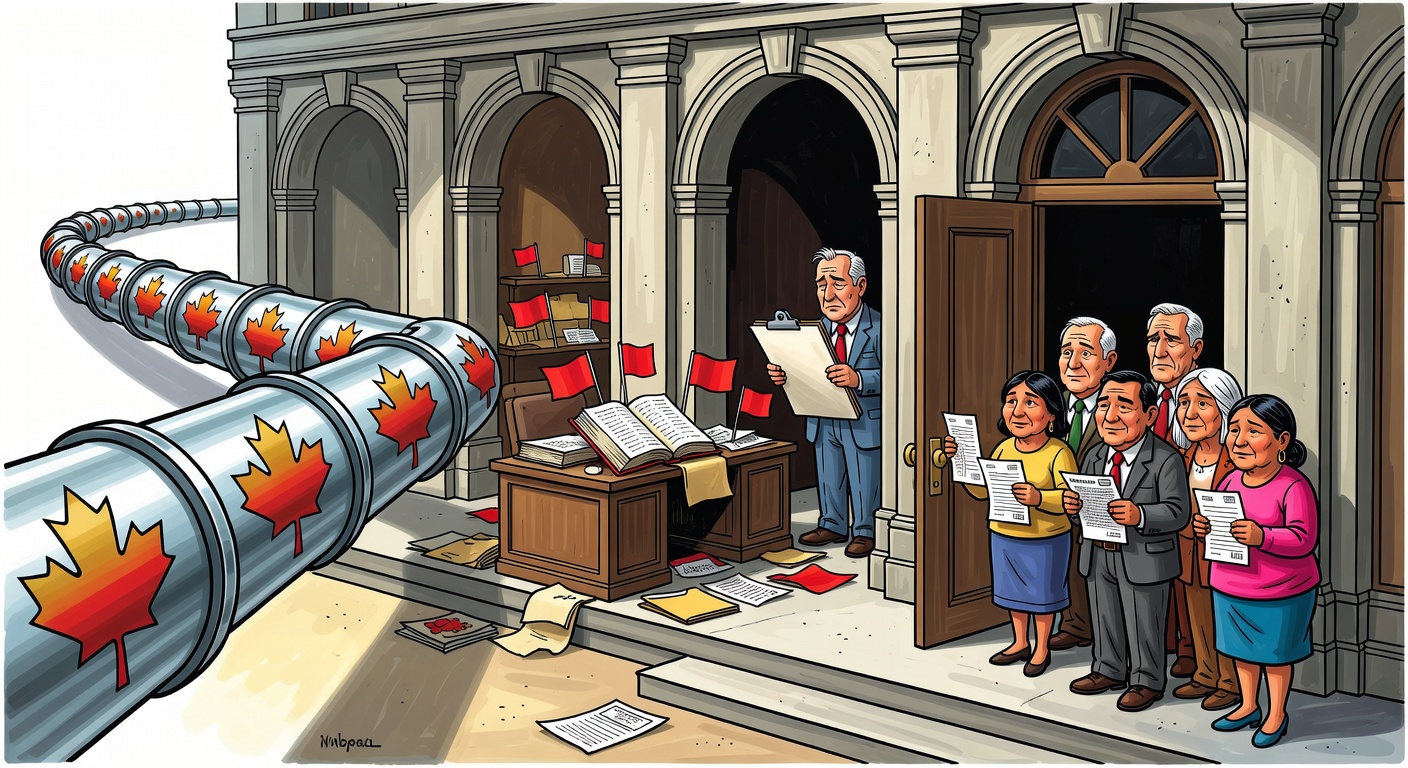
A Facebook reel from Jennifer Elle - Indig Politico says she was removed from the FSIN Assembly after raising concerns around the audit controversy. The individual claim comes from her own public video, but the larger public-interest issue is already documented: Indigenous Services Canada has asked the Federation of Sovereign Indigenous Nations to repay $28.7 million after reviewing audit findings.
That should matter to every Canadian, including First Nations citizens whose services are supposed to be protected by these dollars. This cannot become a lazy anti-Indigenous talking point. It also cannot become another file where Ottawa hides behind process language while ordinary people are told not to ask questions.
APTN reported that ISC’s letter cited “systemic issues” in FSIN financial management, recordkeeping and adherence to funding terms. The largest line was more than $23.2 million in COVID-19-related funding, where documentation was described as inadequate or incomplete. Global News separately reported that FSIN leadership disputes the findings and says it is prepared to go to court.
That dispute can proceed through proper channels. But Canadians should not have to wait years to learn the basic accountability answers: what documentation is missing, which expenses were unsupported, what recovery process is underway, and how Ottawa will prevent the same problem from recurring.
Self-government needs sunlight
The strongest argument for Indigenous self-government is that decisions should be closer to the people affected by them. But local control still needs clear books, timely audits, open meetings where appropriate, and the ability for members to question leadership without being treated as troublemakers.
That is especially true when the money is supposed to support communities, health, emergency response, food security, services and long-term capacity. Every dollar lost to weak controls is a dollar that does not reach the people the program was designed to help.
Ottawa owns part of this failure too
The Carney Liberals should not use this as proof that Ottawa is blameless. The federal government designed and administers the funding relationships. It sets reporting requirements. It chooses how quickly to follow up. It decides what gets published and what stays buried in letters, access requests and insider documents.
The Auditor General’s May 2026 work on new fiscal initiatives with First Nations points to a broader management problem: Indigenous Services Canada did not have complete monitoring information in many files and had not effectively assessed whether long-term grants were helping close socio-economic gaps. That is a federal accountability failure, not just a recipient-side problem.
So the standard should be simple and fair: publish the audit trail, protect whistleblowers and community members who ask questions, strengthen financial capacity where it is weak, recover funds where rules were broken, and stop pretending transparency is somehow hostile to reconciliation.
Jennifer Elle - Indig Politico Facebook reel, April 15, 2026; APTN News: Feds order FSIN to pay back $28.7M after audit found issues; Global News: Chief pushes back after FSIN asked to repay $28.7M and FSIN assembly coverage; Office of the Auditor General of Canada: New Fiscal Initiatives With First Nations.