Carney Eyes Airport Privatization to Feed His Canada Strong Fund
The Liberals are now openly studying private investment in Canadian airports — and reports say proceeds could be directed into Carney's new Canada Strong Fund. Public gateways should not become another investor product without full scrutiny.
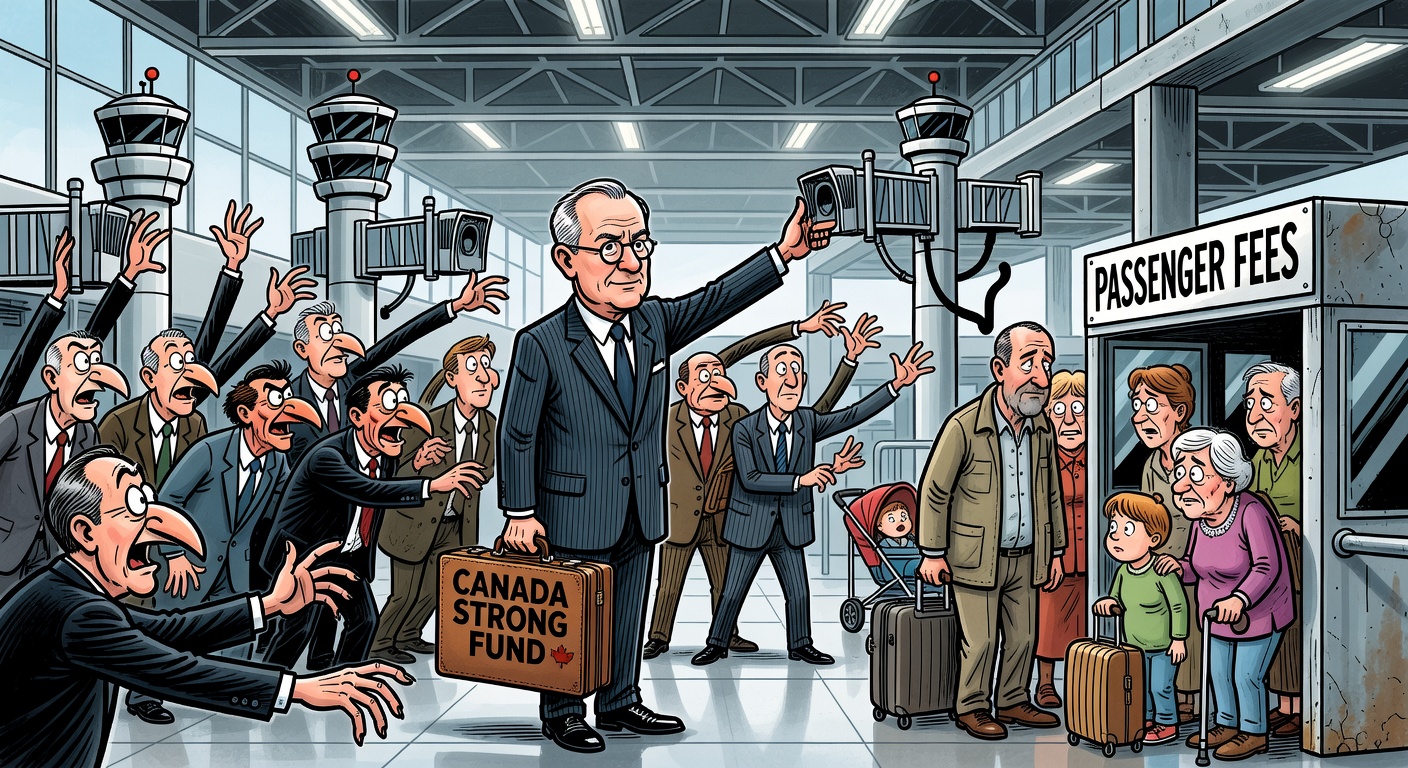
Former NDP MP Peter Julian is now warning Canadians to keep their “hands off Canada’s airports” after the Carney government confirmed it is studying private investment and alternative ownership models. That matters because this is no longer just a finance-page idea. It is becoming a public affordability and sovereignty fight: who controls Canada’s airports, who profits from them, and what happens to passenger fees if public gateways are turned into investor assets?
The Carney government is circling one of the biggest public-asset questions in Canada: whether private investors should be brought into Canadian airports. Global News reported last week that the Spring Economic Update confirms Ottawa is considering ways to invite private investment into airports. The update itself calls airports “vital national assets” and frames modern, efficient airport operations as essential to Canada’s competitiveness, trade, tourism and regional connectivity.
That fund is Carney's Canada Strong Fund — announced April 27 as Canada's first national sovereign wealth fund, beginning with an initial federal contribution of $25 billion. The Prime Minister's own announcement says the fund will invest alongside the private sector in energy, critical minerals, agriculture, infrastructure, ports, mines, corridors and other “nation-building” projects.
Here is the accountability problem: Canada is not Norway. Norway built its sovereign wealth fund from surplus resource wealth. Carney is proposing a fund in a country already carrying massive federal debt, while Ottawa looks at “asset recycling” — selling or monetizing public assets — to create more investable capital. Airports are not abstract balance-sheet entries. They are strategic infrastructure, trade gateways, emergency lifelines, tourism engines, and monopoly-like facilities that ordinary travellers cannot simply avoid.
Supporters argue private capital could make airports more efficient. Fine — make that case in public, with numbers. Which airports? What ownership stakes? What lease terms? What foreign ownership limits? What happens to airport improvement fees, airline charges and passenger costs? Who gets the upside if the assets become more profitable: Canadian taxpayers, pension funds, foreign infrastructure funds, or private equity managers?
Canadians have learned the hard way that privatization is often sold as efficiency and experienced as fees. The 407 should still be a warning sign, not a business model. Once a public monopoly is turned into an investor asset, the incentives change. The owner wants yield. The traveller pays.
Carney's brand is competence. But competence is not a substitute for democratic consent. Before the Liberals sell stakes in airports, extend leases, rework rent formulas, or package public infrastructure into the Canada Strong Fund, Canadians deserve the full prospectus: valuation, risks, beneficiaries, and a binding commitment that national infrastructure will not be quietly transferred into the hands of insiders.
The question is simple: is the Canada Strong Fund being built to serve Canadians — or to create a new pipeline of taxpayer-backed assets for the investor class Carney knows best?
- Global News, April 29, 2026 — Canada in early stages of talks on airport privatization
- Spring Economic Update 2026 — airport investment and Canada Strong Fund references
- Prime Minister of Canada, April 27, 2026 — Canada Strong Fund announcement
- Peter Julian, May 5, 2026 — “Hands off Canada’s airports” TikTok